Lena Pozdnyakova
On a separate note:
I remember relocating to Los Angeles in the late 2010s, drawn by numerous work opportunities in the cultural sphere, as well as by its rich architectural heritage and the prospect of visiting iconic sites long studied and admired while studying architecture. In architecture, spatial design is experienced through presence within the walls of the building—through the tactile textures of materials, the proportions of built form, the interplay of light and shadow across surfaces. However, my fascination extended beyond those buildings to the narratives they held—particularly the transformation of private residences into public cultural landmarks. Trained to view architectural history as a reflection of the zeitgeist, I was especially compelled by the work of Frank Lloyd Wright, widely regarded as one of the most influential American architects, whose architecture style captures the nature of the American spirit and whose designs were open to public viewing—hosting collections of both art and design.
One such example is Hollyhock House, a harbinger of California Modernism that continues to shape the direction of residential design—now a public landmark. Built between 1919 and 1921 for Aline Barnsdall, an American oil heiress and visionary patron, it was Wright’s first Los Angeles commission. Centered within the Barnsdall Art Park— a dynamic public space that includes the Los Angeles Municipal Art Gallery (LAMAG) as well as the Barnsdall Art Center and Junior Art Center. Over the decades, the site has served various cultural functions: as the home of the California Art Club (1927–42), headquarters for the Olive Hill Foundation (1946–c.1956), and since 1976, as a city-run museum. In 1954, Wright even designed a temporary pavilion for the exhibition 60 Years of Living Architecture, hosted on site. Today, Barnsdall Park remains one of Los Angeles’s most vibrant civic arts campuses, operated by the Department of Cultural Affairs.
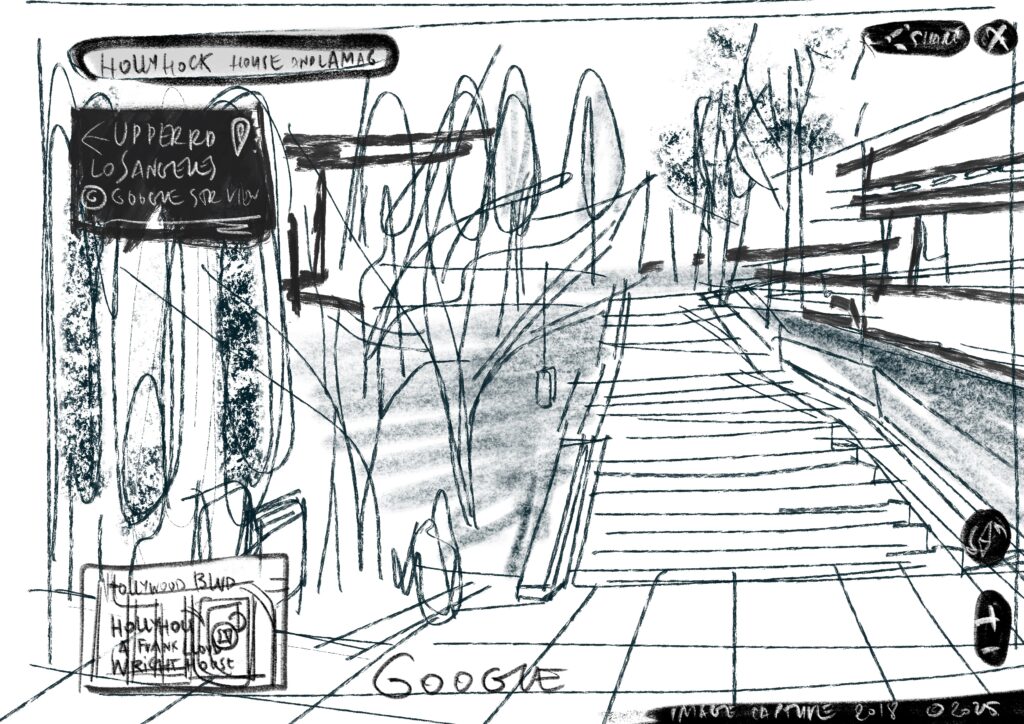
located. Source: https://hollyhockhousevirtual.org/home
After my arrival, two quick years flew by, and after postponing my visits to Hollyhock, the world paradigm and the notion of public space had suddenly and abruptly shifted. In 2020, the COVID-19 pandemic shuttered museums and galleries, making physical encounters with architectural sites and art venues nearly impossible.
The same year, the neighbor of the Hollyhock House—Los Angeles Municipal Art Gallery responded to pandemic and closure of public space by launching an online exhibition —ARCHIVE MACHINES. In this way, LAMAG debuted its first web-based exhibition—a curatorial milestone that marked a shift in the institution’s approach to digital engagement for the Department of Cultural Affairs. I was one of the participating artists in this juried exhibition, alongside 43 other Southern California-based artists, selected by an esteemed jury that included curators from LACMA, Corita Art Center, and Galería OMR.
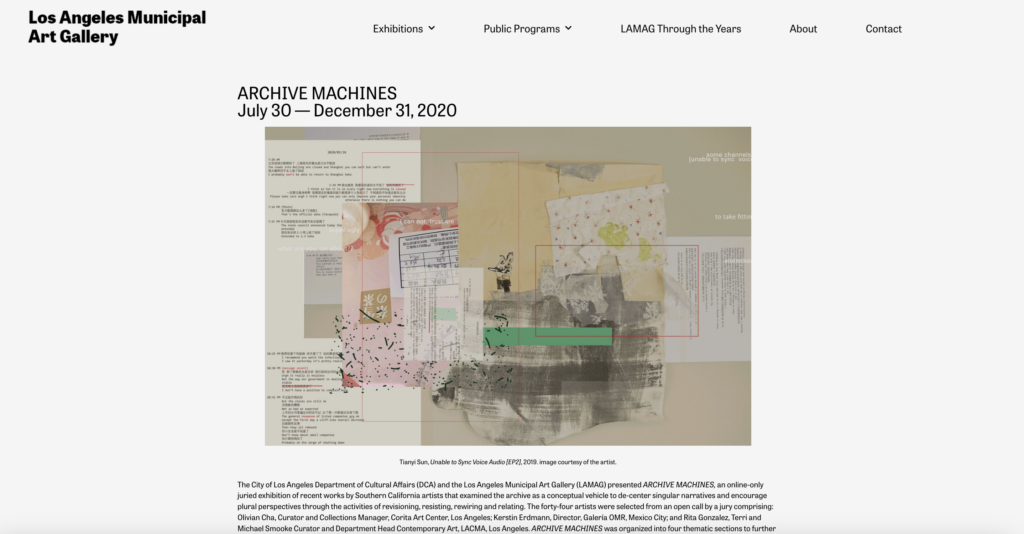
Simultaneously, across the city, another curatorial space—Studio106LA, a grassroots artist-run space led by Masha Elakovic that I joined via an open call on craigslist—was undergoing its own digital transformation too. This artist-organized space had long served as a community hub for experimentation and collaboration on-site, however, when COVID hit, it wasn’t ready for the drastic change that the cultural scene began to experience. Detached from any community during the lockdown, it became a crucial virtual refuge for me and other artists, offering creators and audiences alike a space for creative exchange amid a time of change.
So the year 2020, transition to an online space as an artist, an architect and cultural worker at large became for me the pivot from physical to digital art and exhibition-making. The existence within the liminal space —psychological, physical, artistic—became a key curatorial and conceptual metaphor that we undertook in our curatorial and community approach. These obscure practices that we experimented with resisted binaries and instead embraced hybridity, inviting us to reimagine curating and artmaking as part of virtual exhibitions.
Since then, we stayed online. We developed an experimental practice where various artistic expressions start occurring in the interstices and ambiguous states that explore liminality between fixed notions, disciplines and states of being.
Between Spaces, Disciplines, and States of Being
1.1 Between Spaces
Koktem Shaqyrady
Talk about Beirut
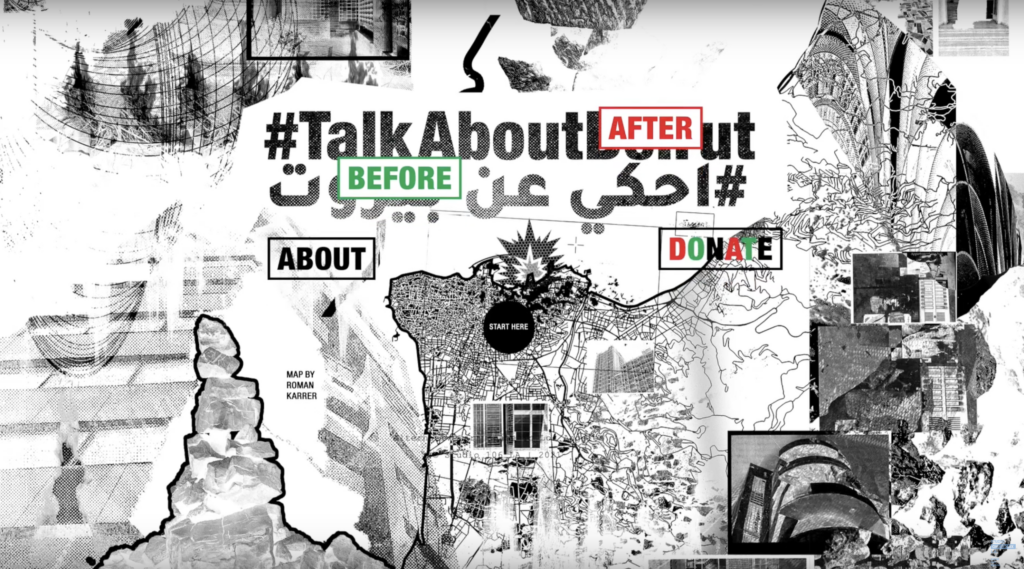
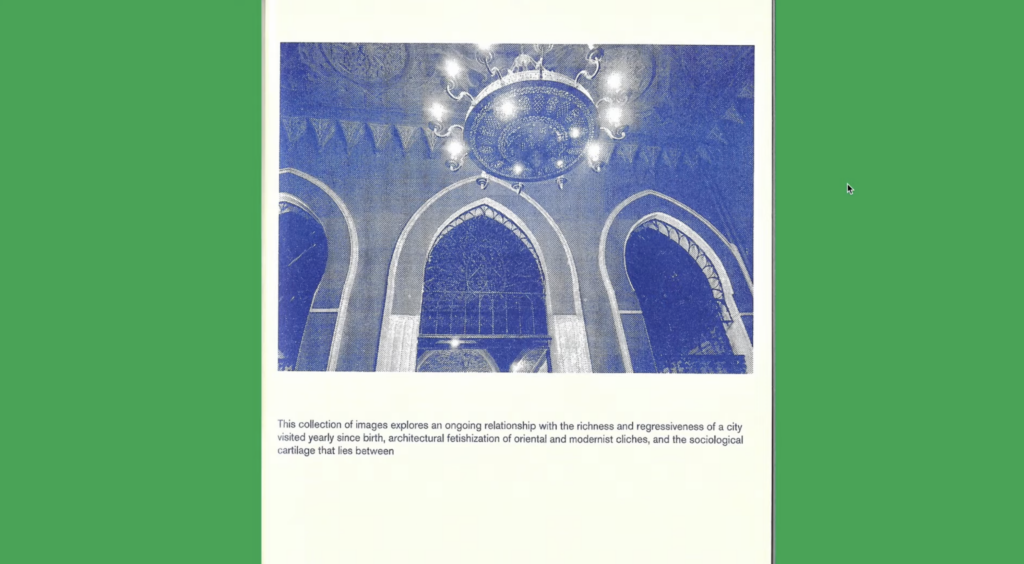
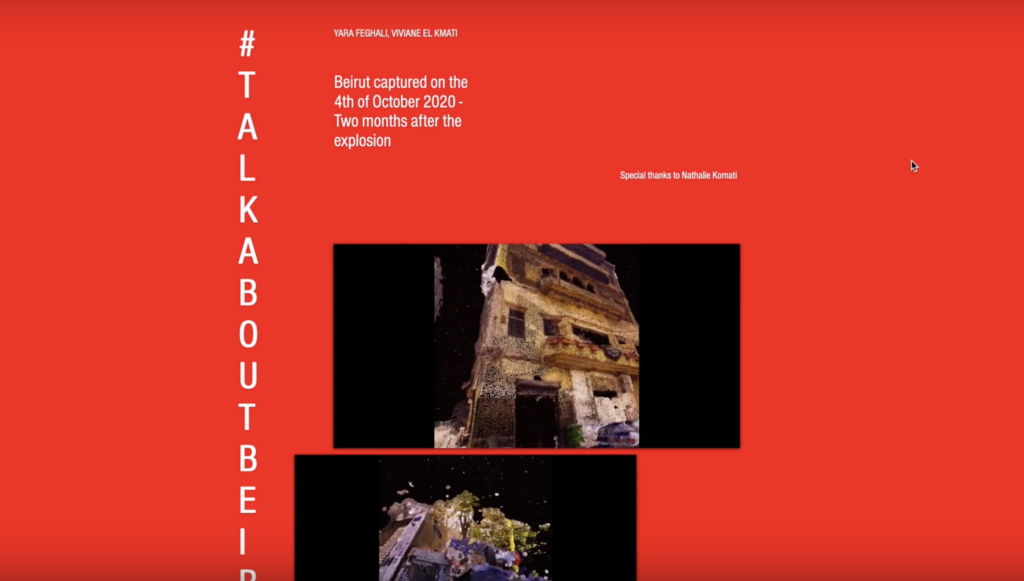
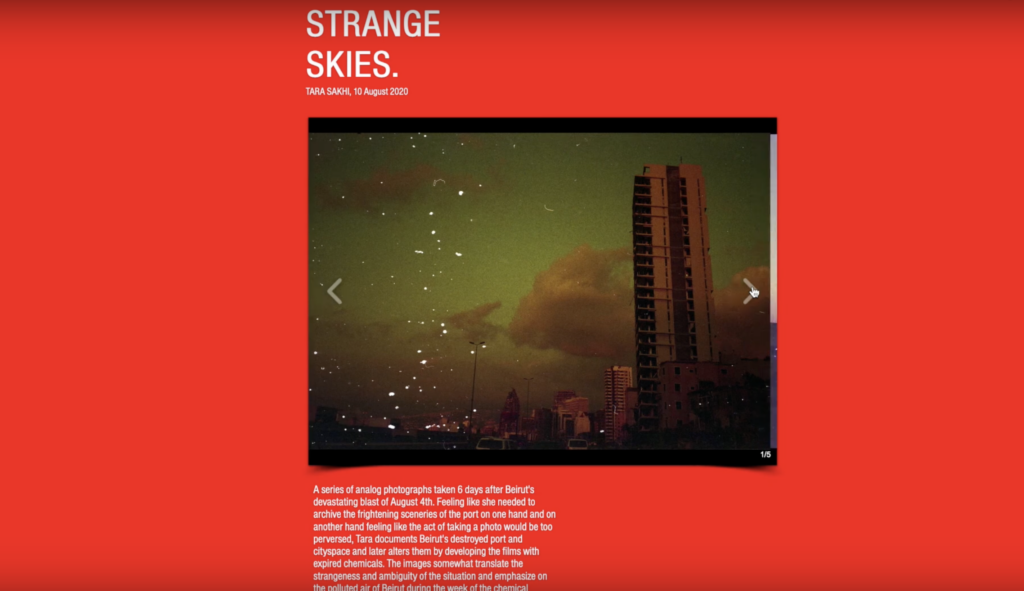
During COVID, screens have became speculative architecture. The viewer’s path—once dictated by physical walls and spatial thresholds—was reimagined through hyperlinks, interface choreography, and curated flows of attention. The exhibition plan and section were no longer architectural, but experiential, temporal, and affective.
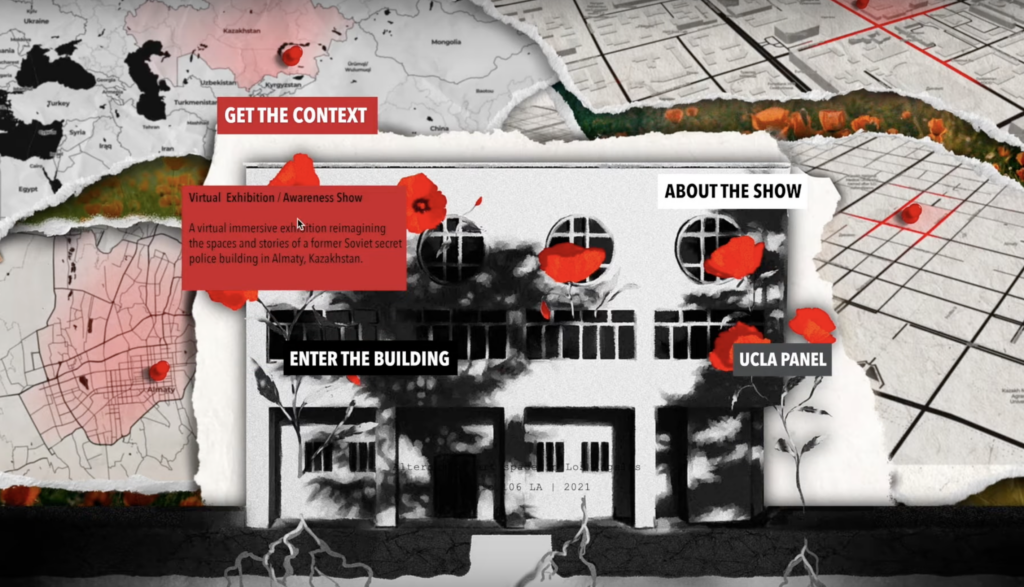
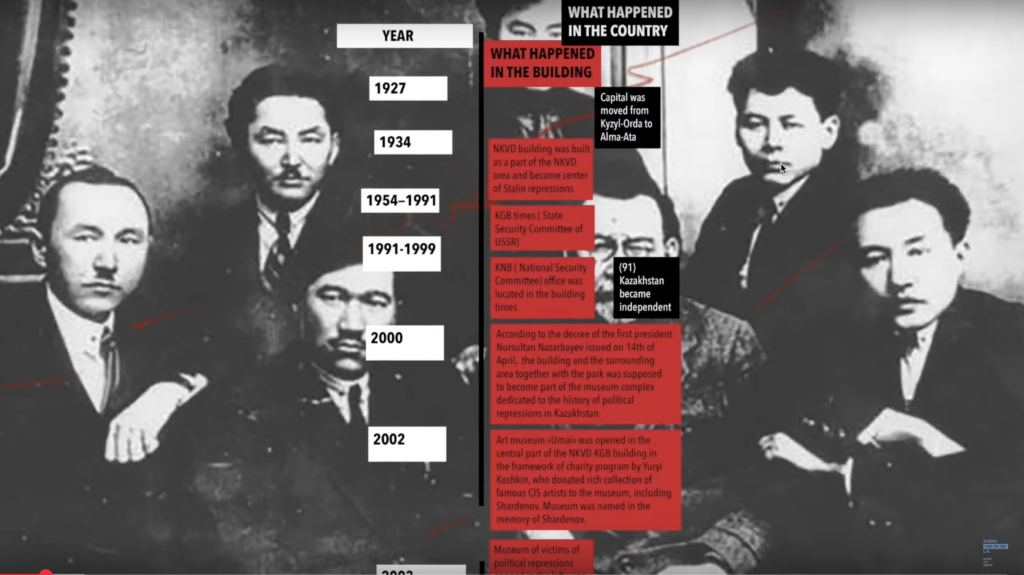
Koktem Shaqyrady exemplifies this shift in spatial logic. A virtual exhibition centered on the former NKVD building in Almaty, Kazakhstan, the project engages directly with architectural memory and the haunting presence of political repression embedded in the site’s material history. The building, an austere Soviet-era structure once used for interrogations and detentions during Stalinist purges, is reactivated as a mnemonic device—a spatial archive. While inaccessible to the public in its physical form, the virtual exhibition transforms this closed architecture into a permeable environment of encounter and reflection.
The exhibition unfolds across four immersive zones—Inception, Trauma, Crisis and Rebirth, and Free Spirit—each designed as a symbolic rearticulation of both architectural space and historical consciousness. Viewers navigate through corridors of audiovisual memory, layered with archival material, media artworks, and soundscapes that evoke both the brutality and resilience embedded in the building’s walls. Importantly, these zones mirror architectural sequencing: entry, rupture, transition, and release. The digital interface thus functions not only as a medium of representation, but as a curatorial spatial practice—one that reconstructs emotional geographies through deliberate compositional strategies and aesthetic approaches. Nomadic visual references contrast sharply with the rigidity of Soviet spatial regimes, foregrounding the tension between movement and containment, openness and control.
Similarly, Talk About Beirut responds to the 2020 port explosion in Lebanon through a multi-artist, transnational online exhibition. Situated within the architectural memory of one of the world’s most historically layered cities, the project mobilizes storytelling as a spatial act. The narratives—drawn from artists in Lebanon, the U.S., Kazakhstan, and Switzerland—reconstitute Beirut’s fractured urban fabric through co-authorship and digital intimacy. By making visible the structural violence and inequities that shape the post-blast cityscape, the exhibition reframes Beirut as a site of trauma and resistance, inextricably intertwined.
1.2 Between Tools and Disciplines
MS Paint by Erin Demastes
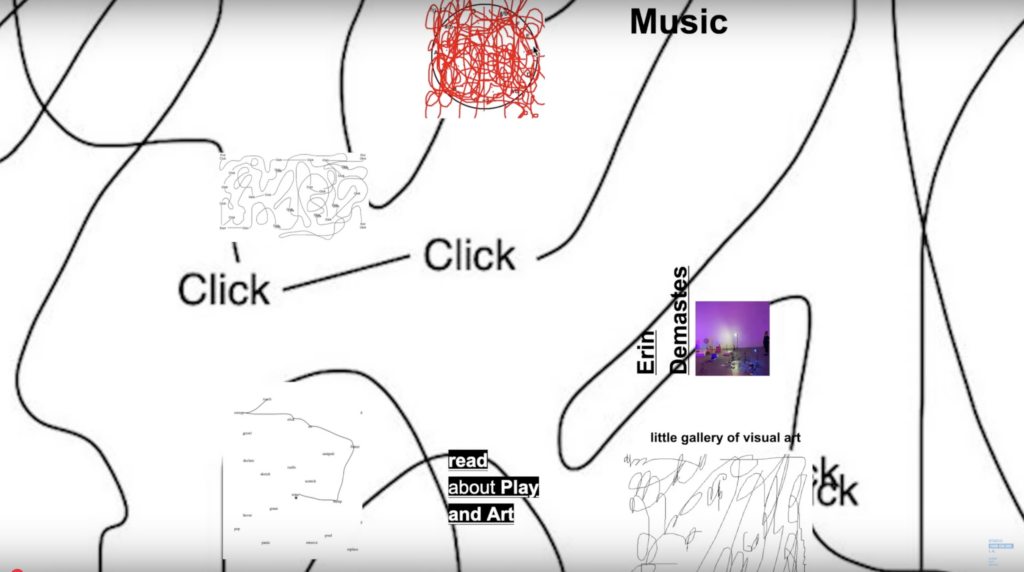
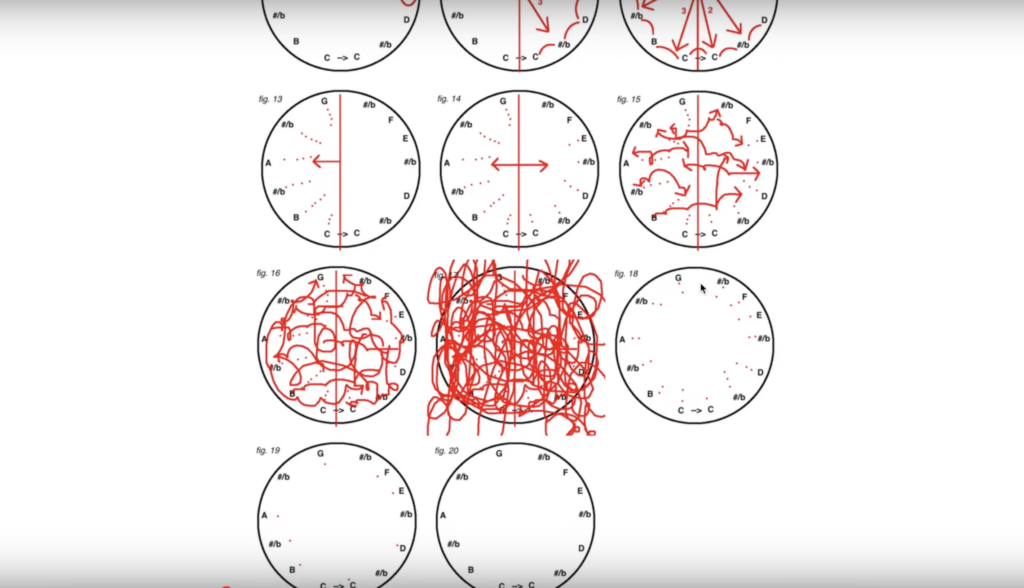
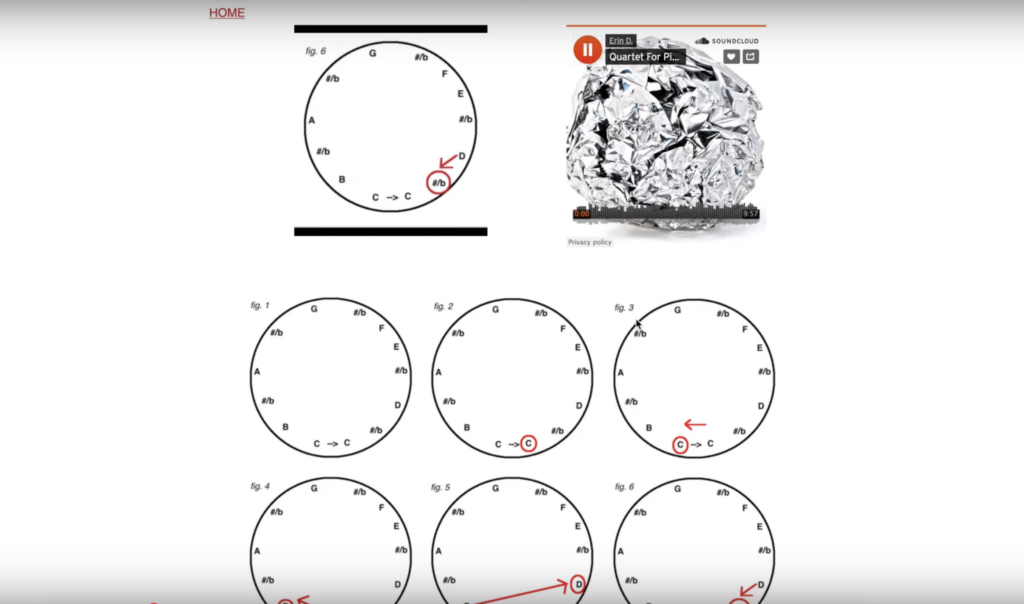
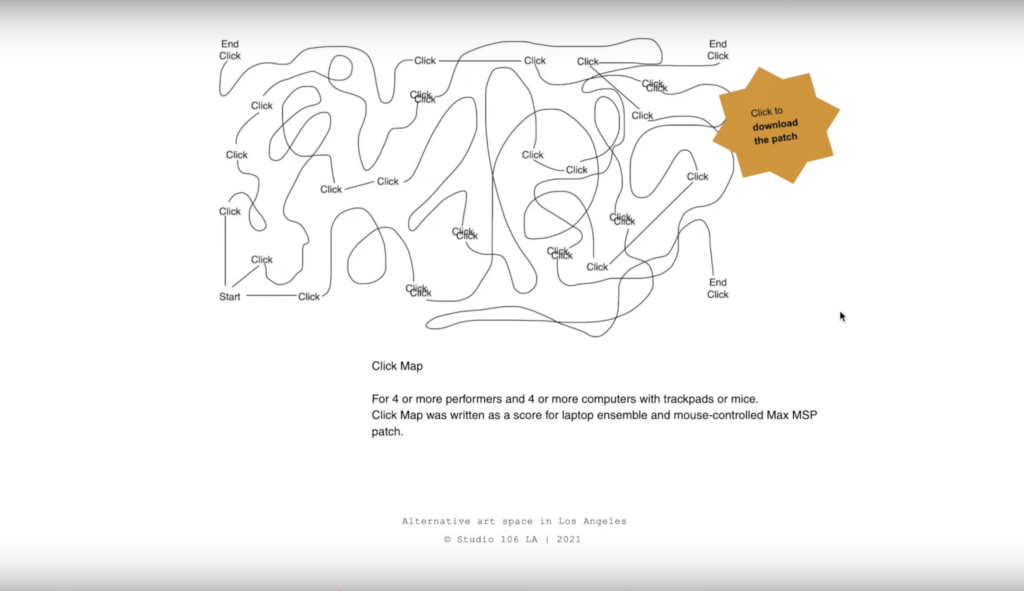
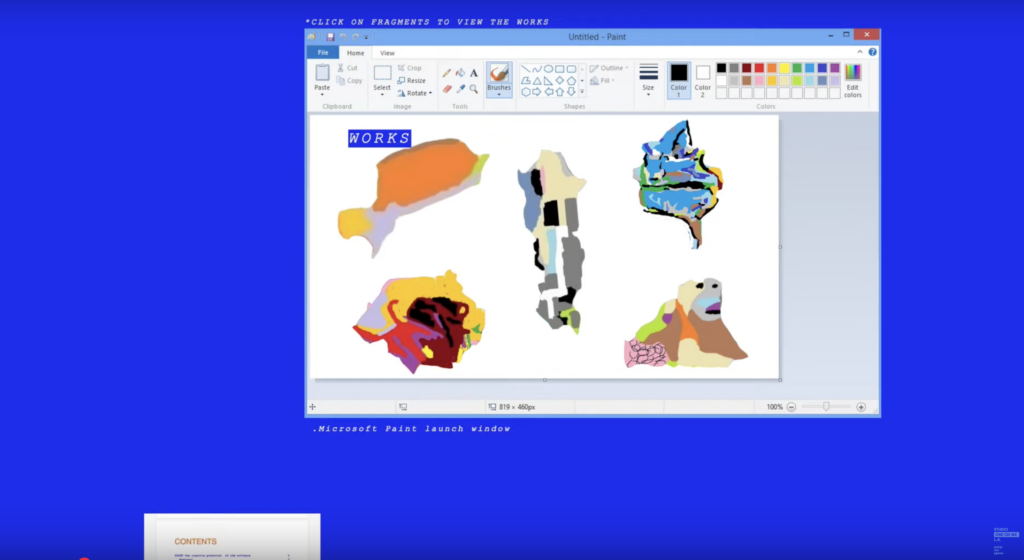
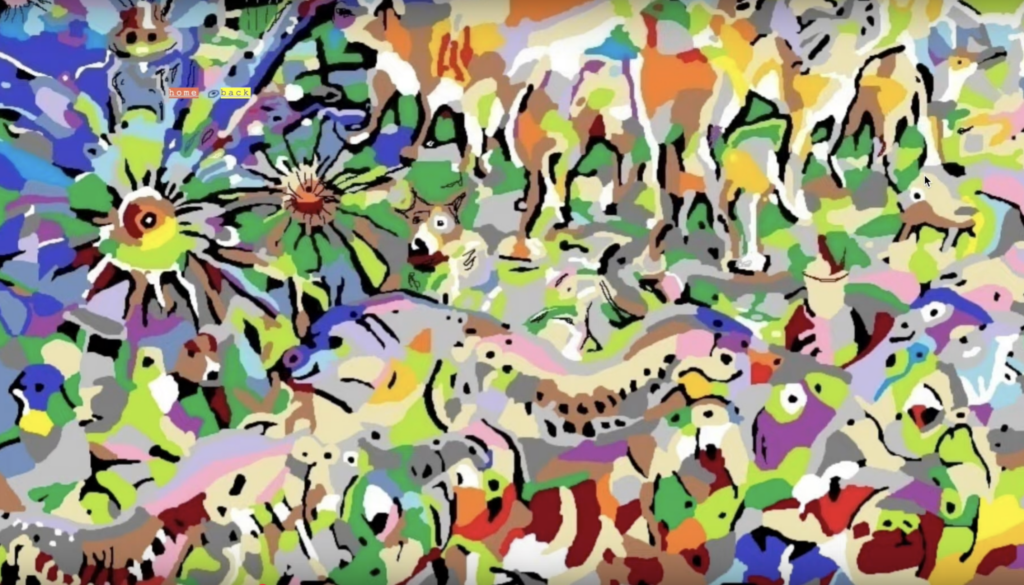
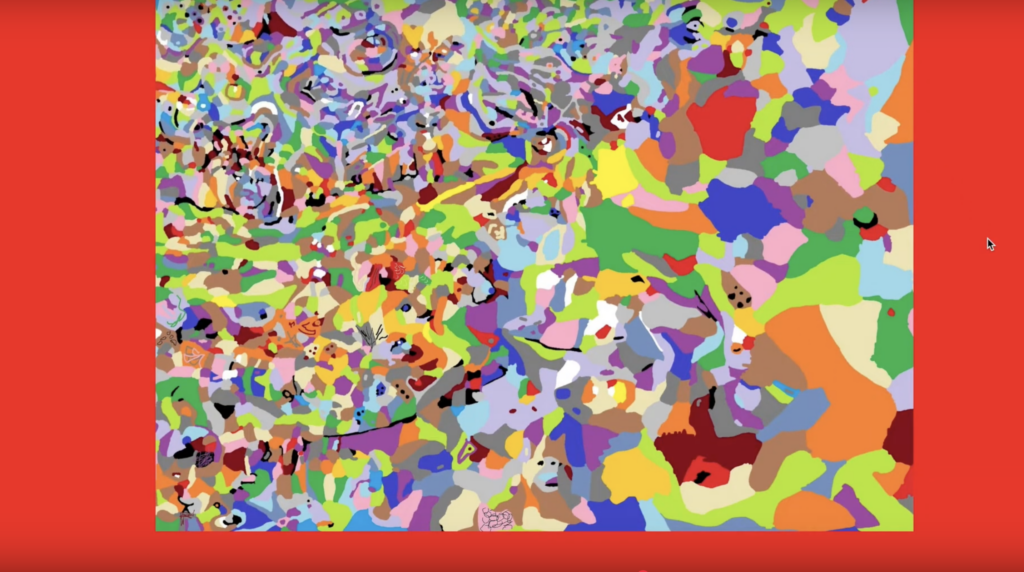
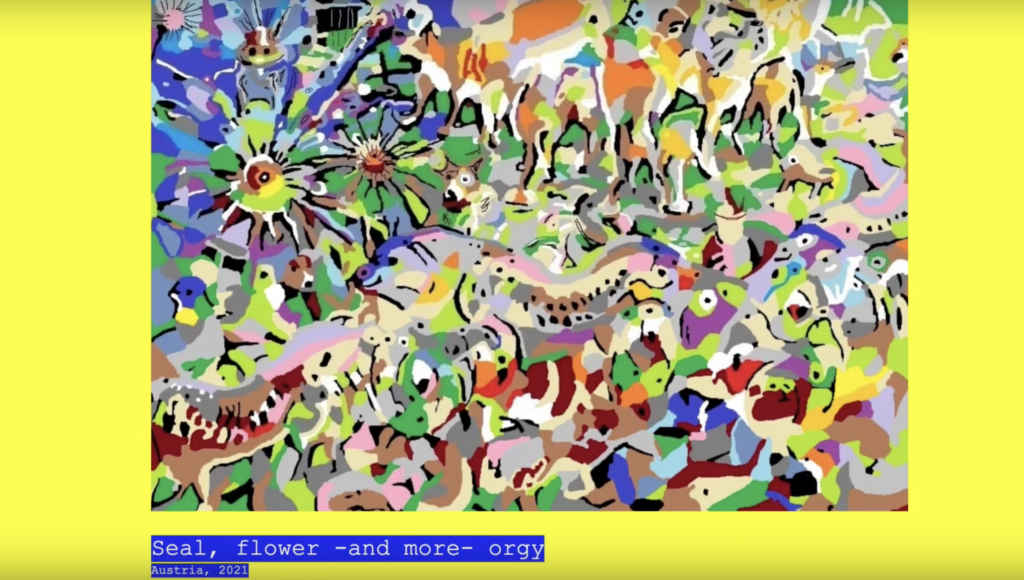
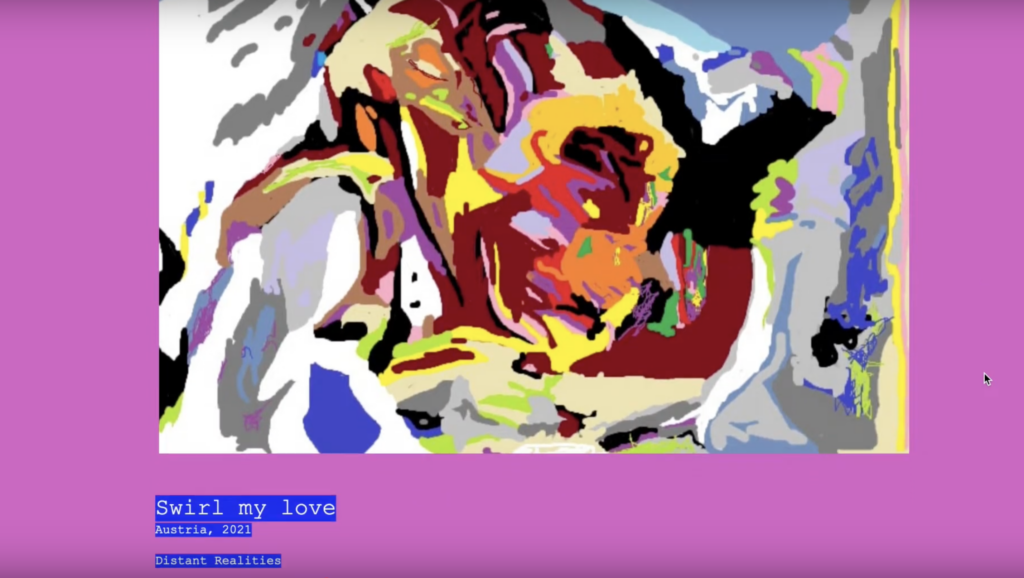
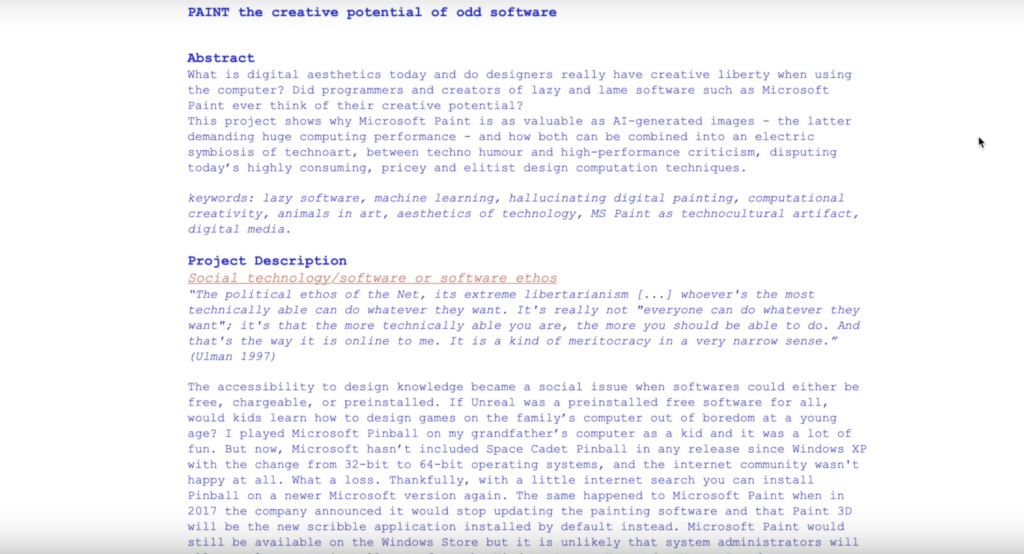
PAINT: The Creative Potential of Odd Software by Distant Realities
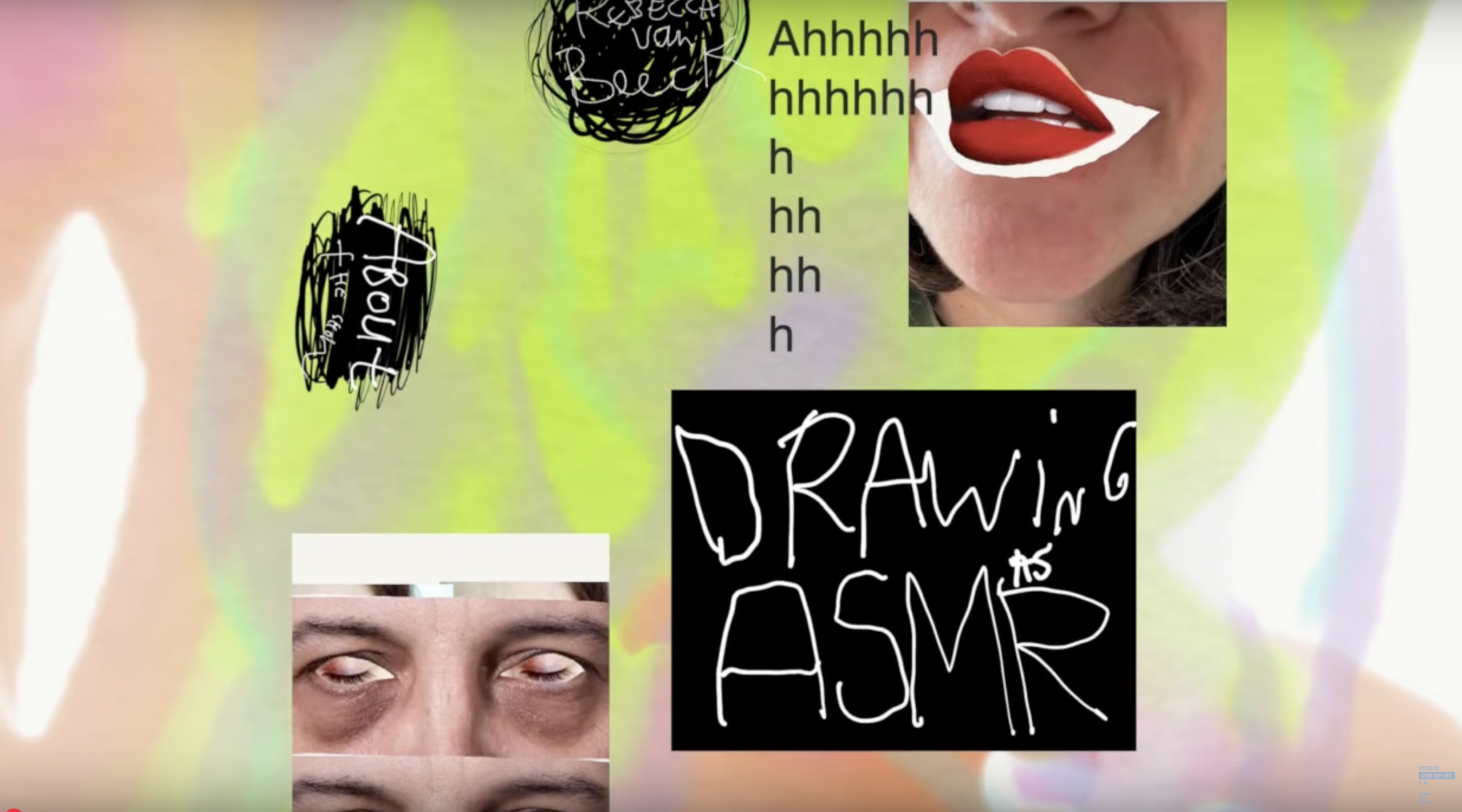
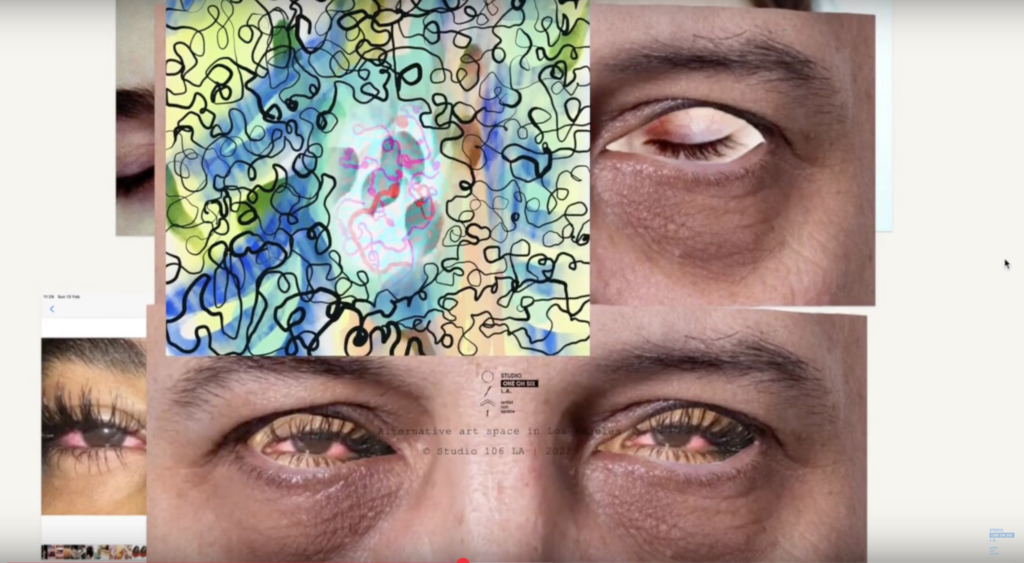
Drawing as ASMR by Rebecca van Beeck
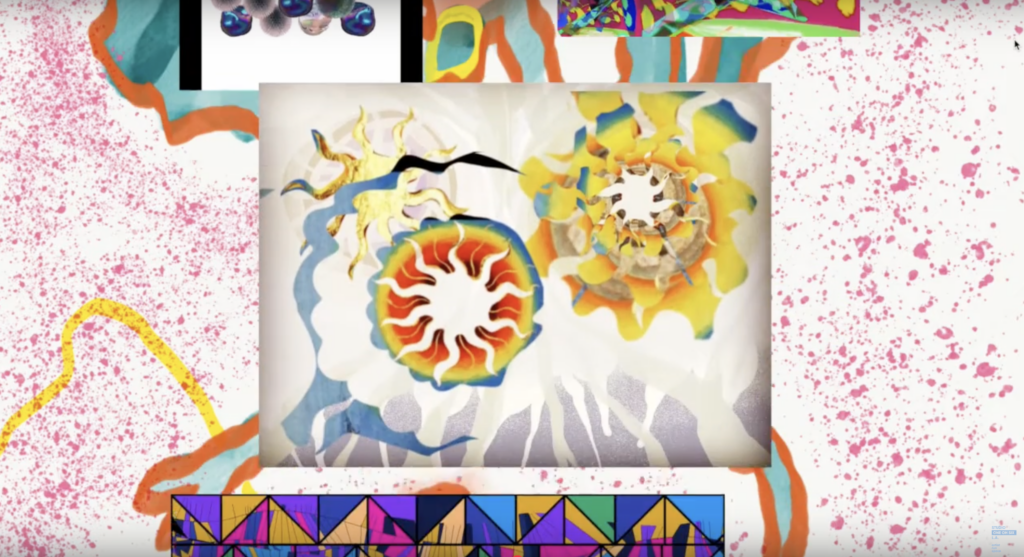
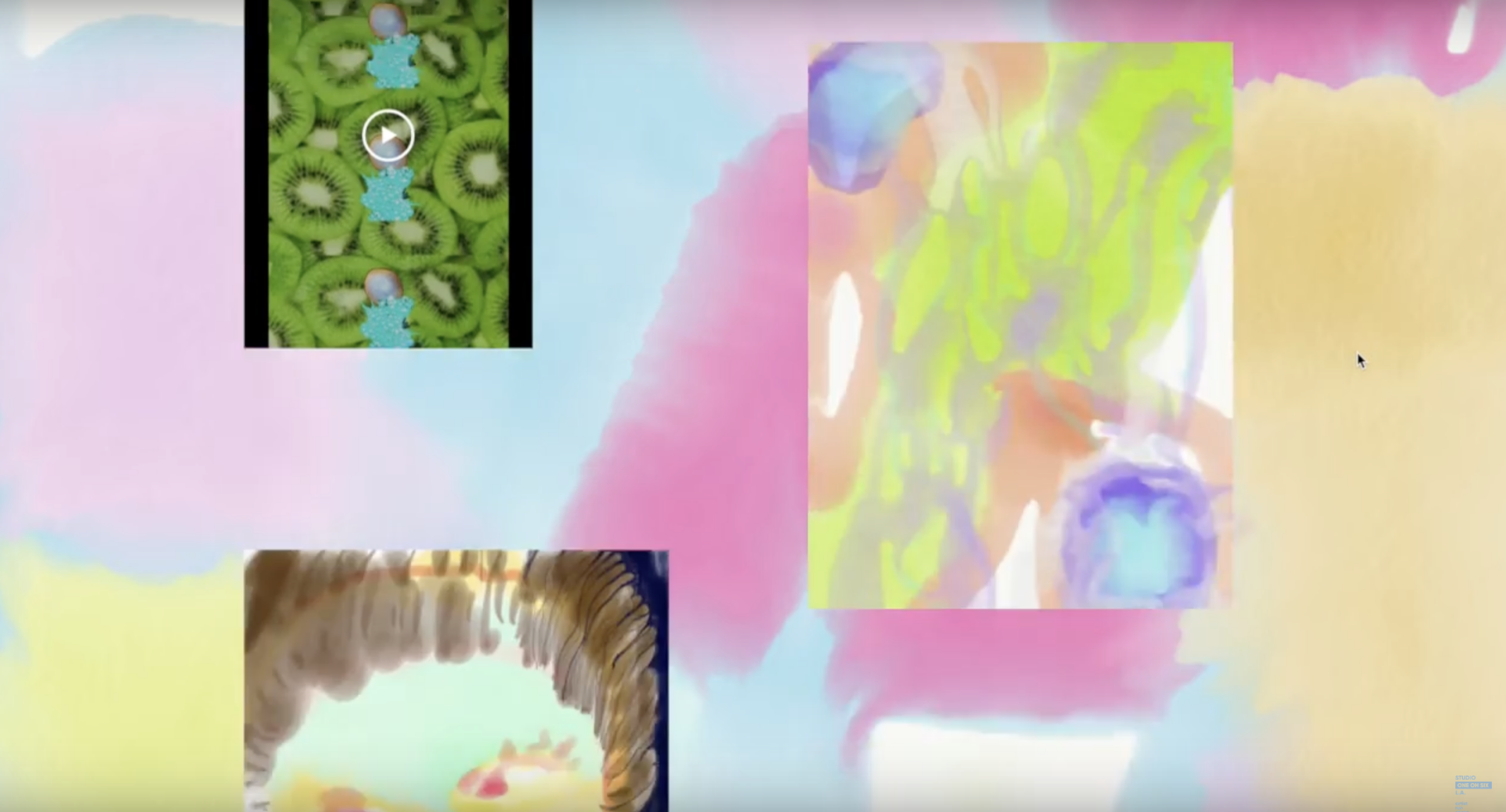
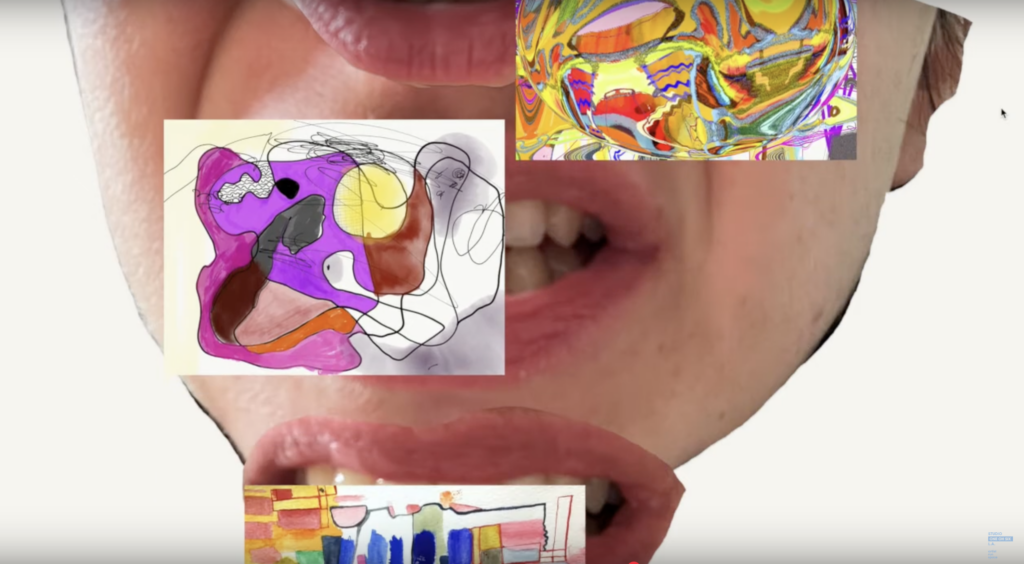
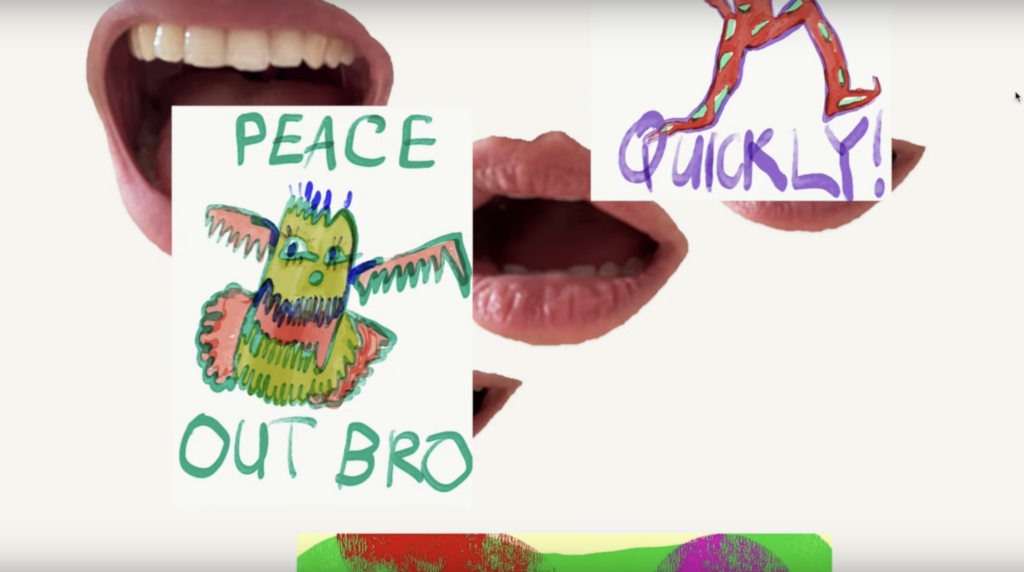
In the show by Distant Realities, Microsoft Paint is elevated from digital footnote to techno-cultural artifact. Embracing its clunky interface and “lazy” software logic, these works reject the optimized aesthetics of contemporary design culture, proposing instead a vernacular of digital play—one rooted in humor, nostalgia, and critique. Far from being a limitation, Paint’s constraints become compositional provocations, where the crude pixel becomes a statement against the hyper-real polish of machine-generated images.
This ethos resonates in the work of Erin Demastes, whose experimental compositions—crafted from hacked electronics and household objects—complicate the boundary between the functional and the performative. Her objects are not neutral: they buzz, twitch, clatter, and collapse into absurdity. They are resist clarity, embrace failure, and foreground the physicality of technological experience. By giving character to cords, timers, and broken circuits, she reanimates the discarded tool as an actor in a sonic drama.
Rebecca van Beeck’s Drawing as ASMR extends this logic to the body’s interface with mark-making. Her practice—part coping strategy, part sensory ritual—treats drawing as both emotional outlet and affective technology. The work prioritizes process over product, bodily sensation over conceptual coherence. Her scribbles and patterns dissolve distinctions between “art” and “waste time,” insisting on the value of making without external measure.
1.3 Between Roles and States of Mind
Dandellion Milk
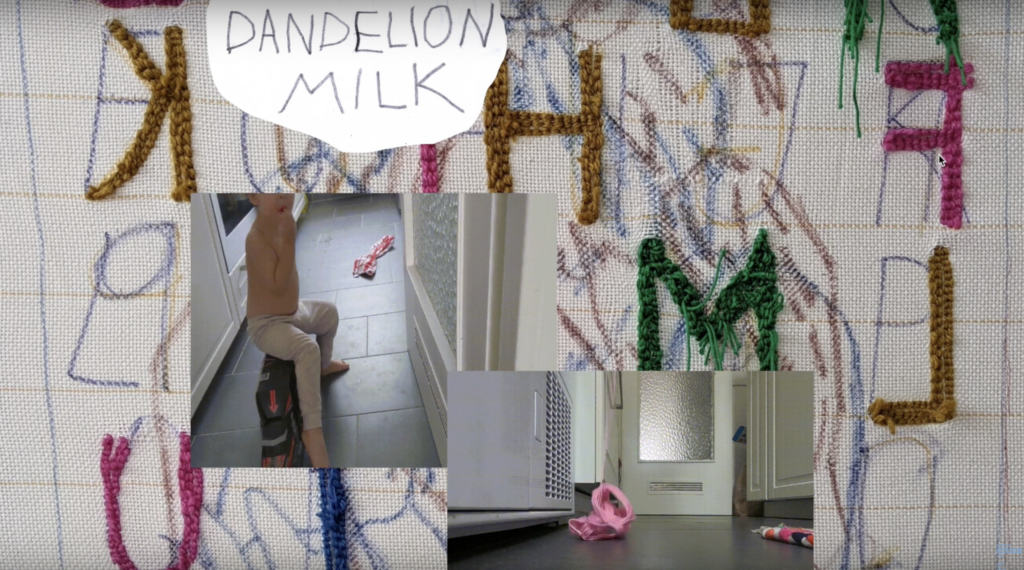
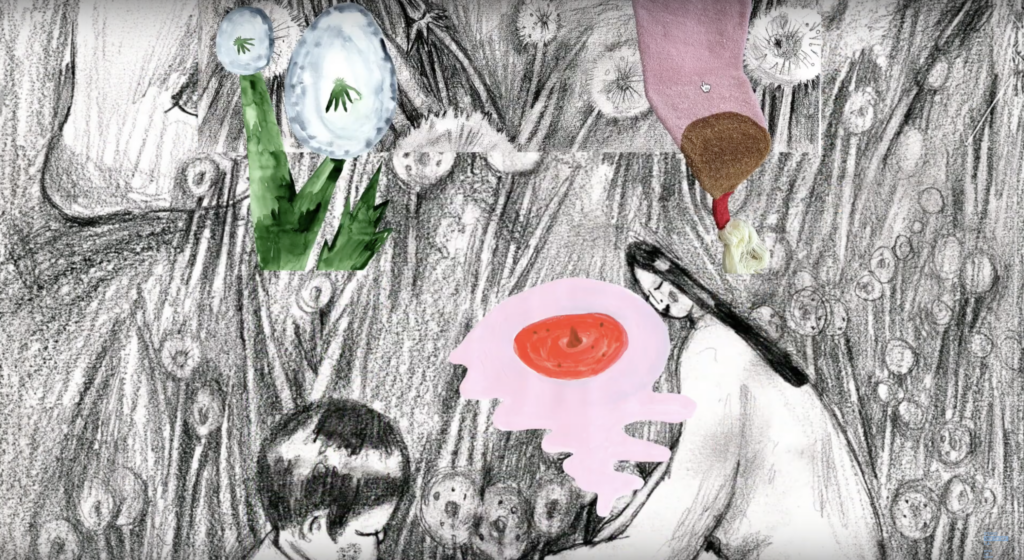
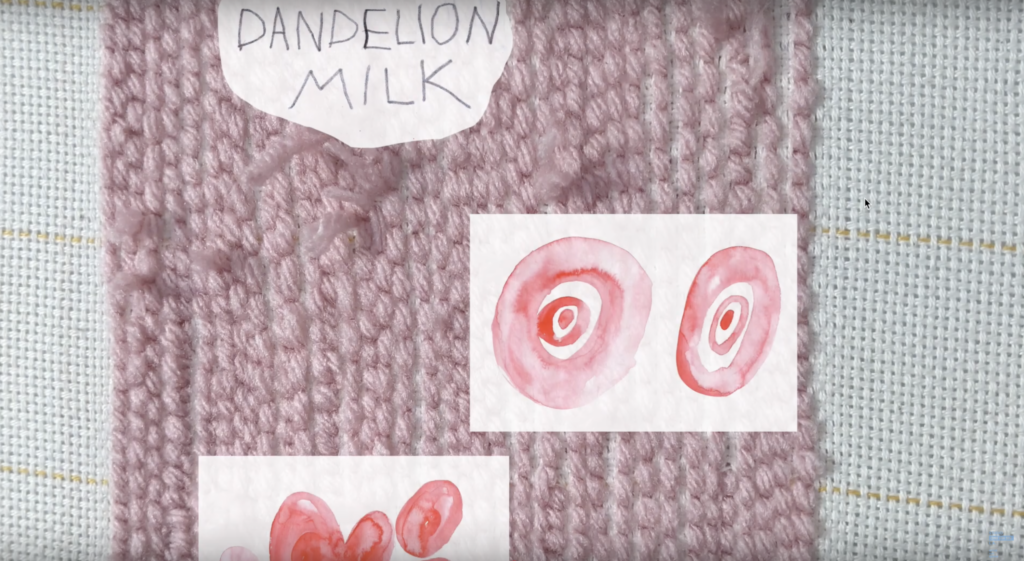
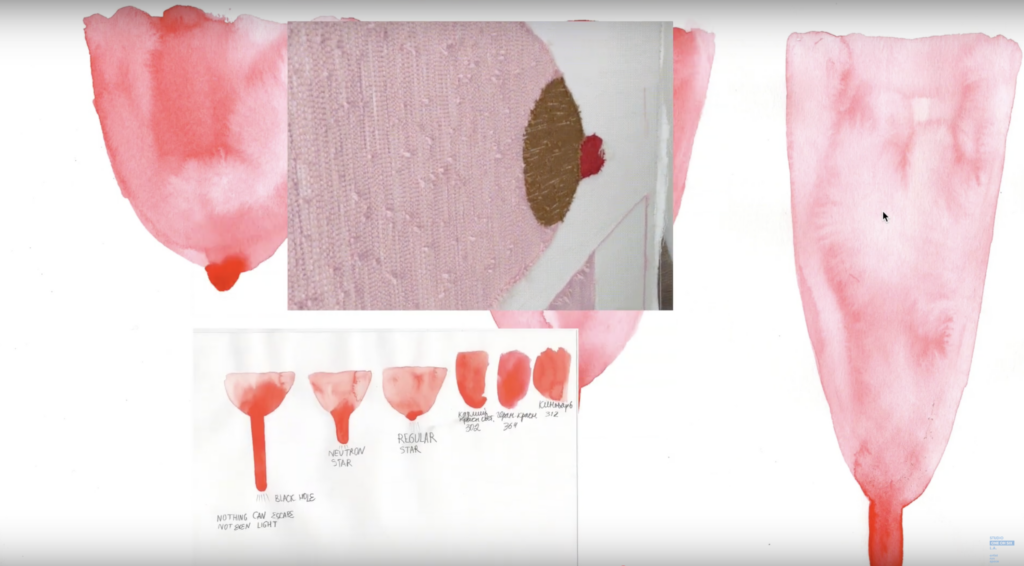
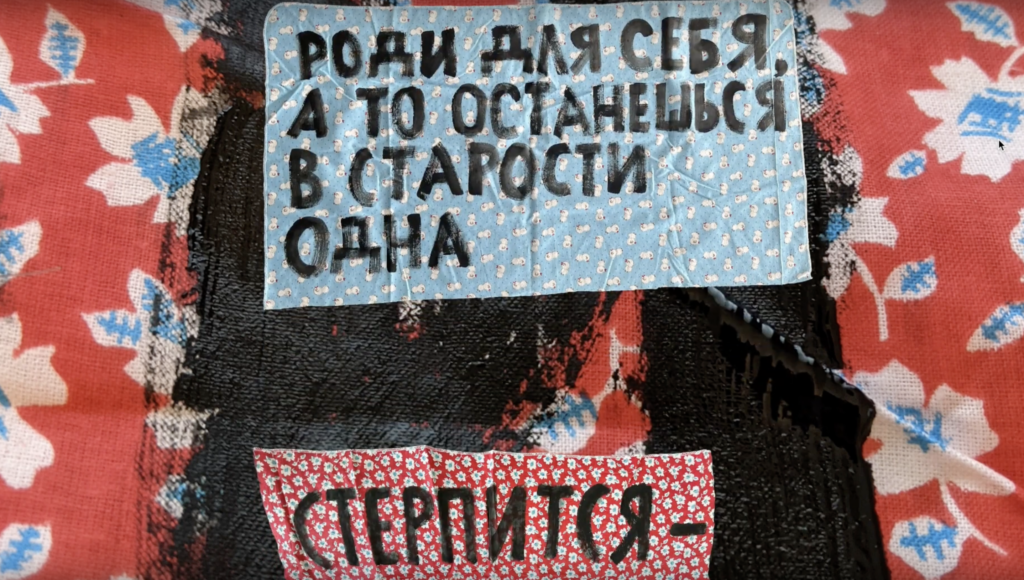
In Dandelion Milk, Madina Joldybek explores the liminal space between roles—artist, mother, woman, caretaker—where the body becomes both subject and site of production. The digital exhibition moves through cycles of care, secretion, and routine, centering the maternal body as an active, generative force. A short video anchors the show, offering glimpses into the artist’s daily life: fragments of sound, blurred gestures, the quiet persistence of maintenance. Drawings unfold as extensions of these embodied moments, shaped by the presence of the child—blurring authorship, intention, and routine. Milk, as material and metaphor, marks a shift in temporality and authorship. It interrupts, stains, and sustains. Here, the maternal is not a detour from artistic practice, but its core: an infrastructural rhythm that shapes not only what is made, but how, where, and with whom.
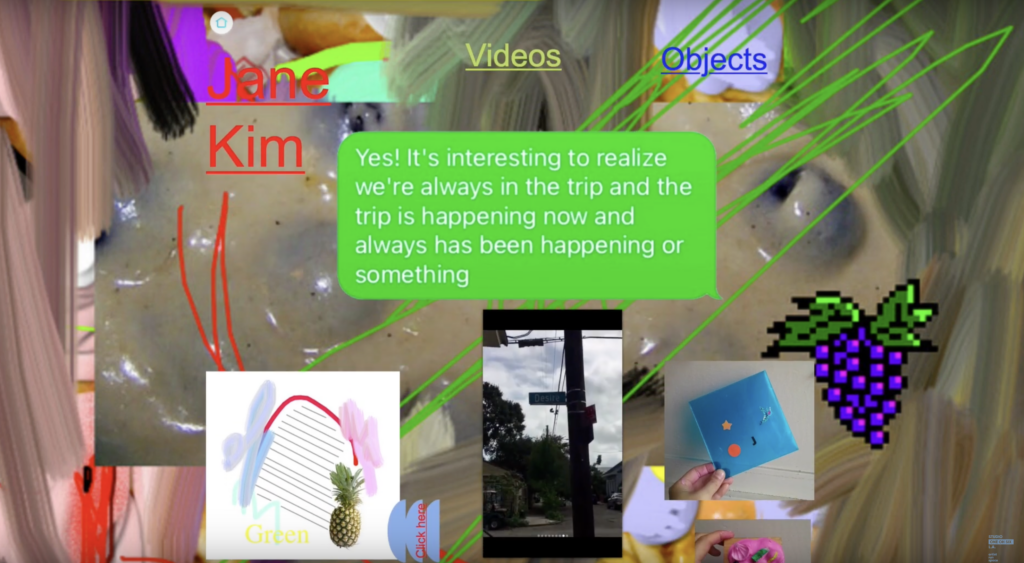
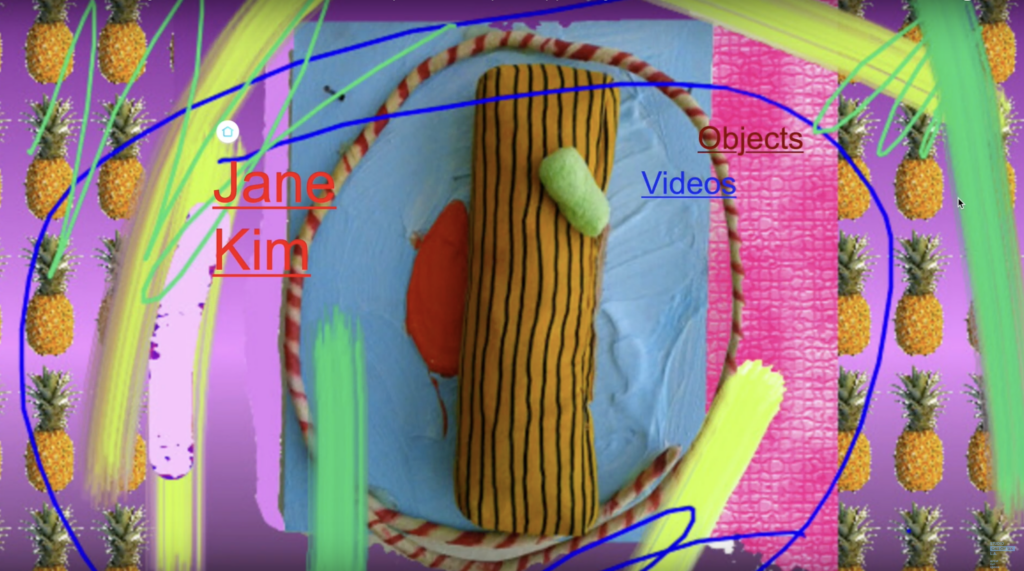
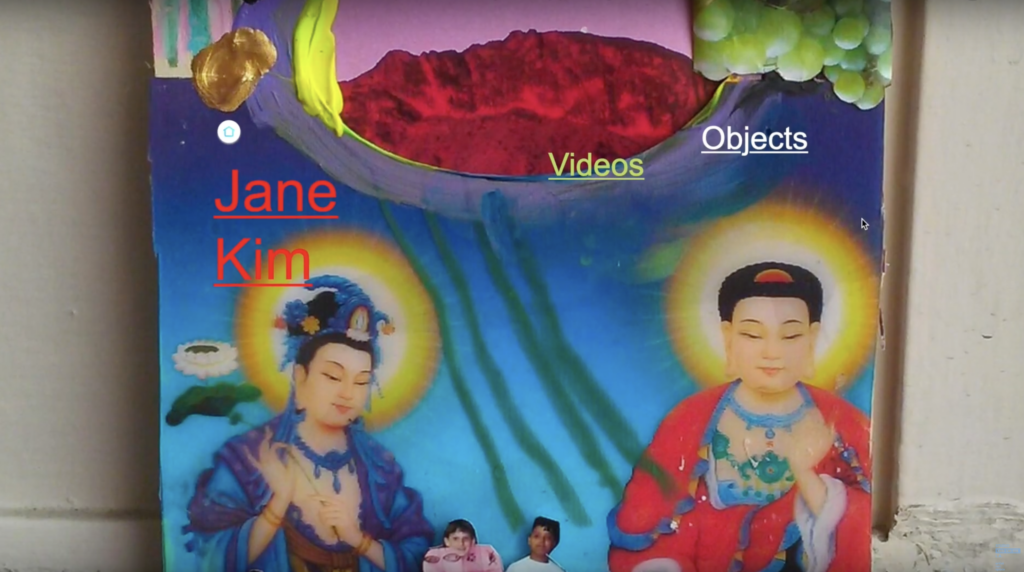
Yes, it’s interesting by Jane Kim
Speaks to the beauty and absurdity of the world, and to an attention to everyday details, rooted in contemplation, acceptance, and humor.
Inner.view by Maria Aus
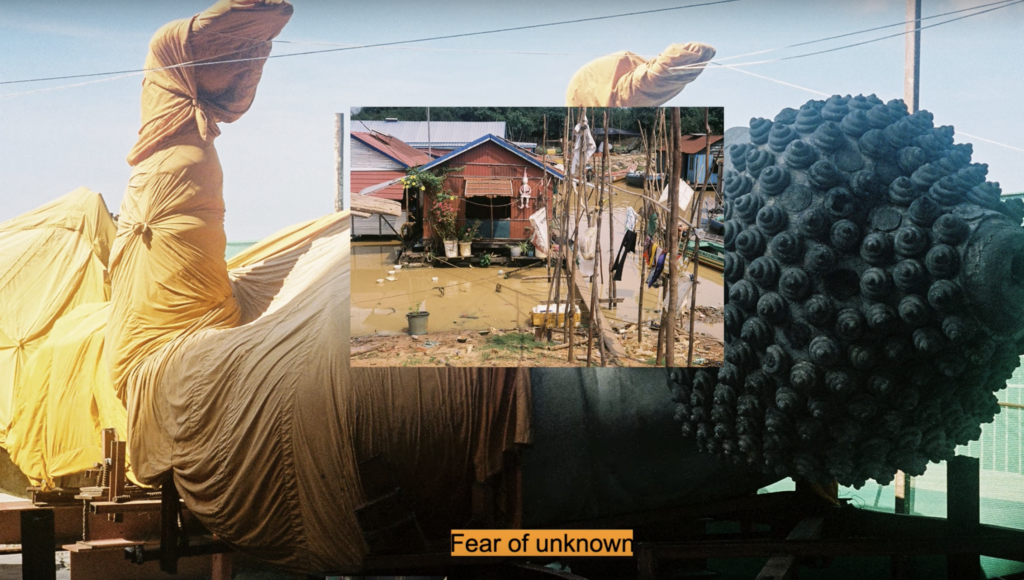
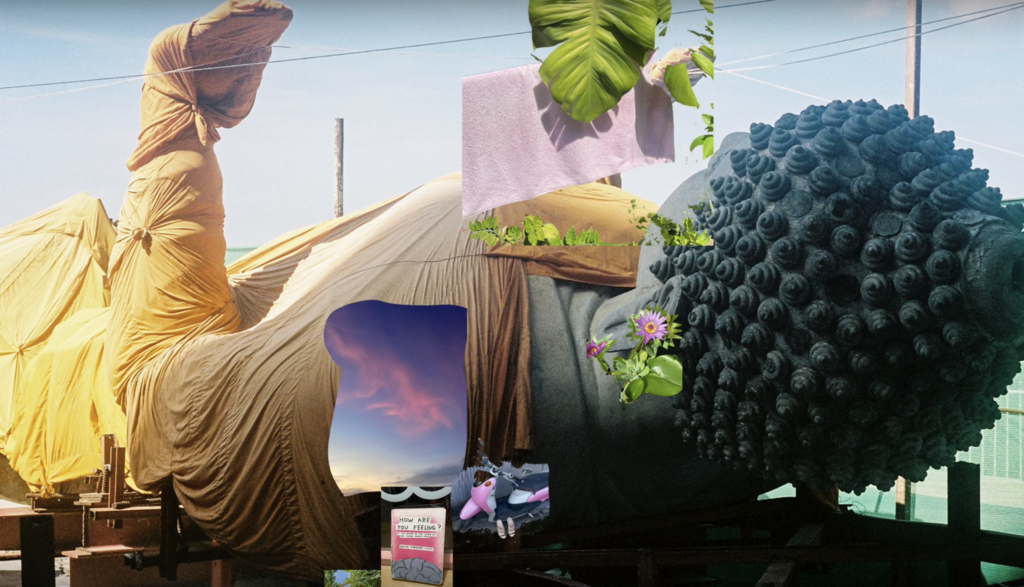
During the pandemics, exhibitions also functioned as an emotional and existential turn. The offered a place of refuge—numerous temporal, mental, emotional, and geographical entry points to engaging with life. In some ways, for artists, digital exhibitions became not only platforms for expressions but lifelines—structures for inspiration and communion amid uncertainty. After the pandemics, artists continued to engage with the web platforms to convey those insights and experiences that they collected during the transformation of the world into a confined space where screen captures combined with glimpses from memories became the material for online shows we are putting together in the past several years.
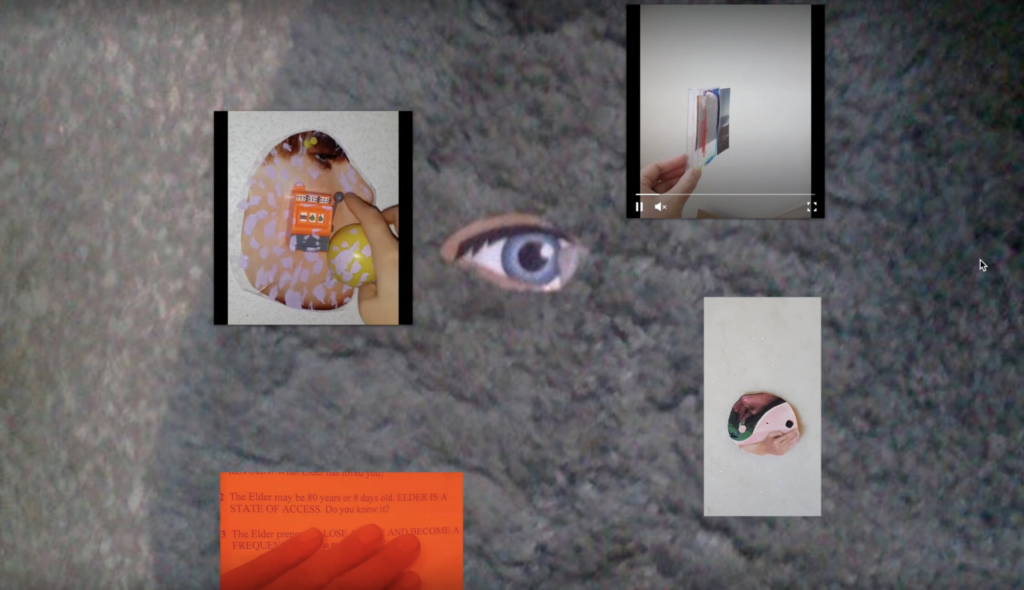
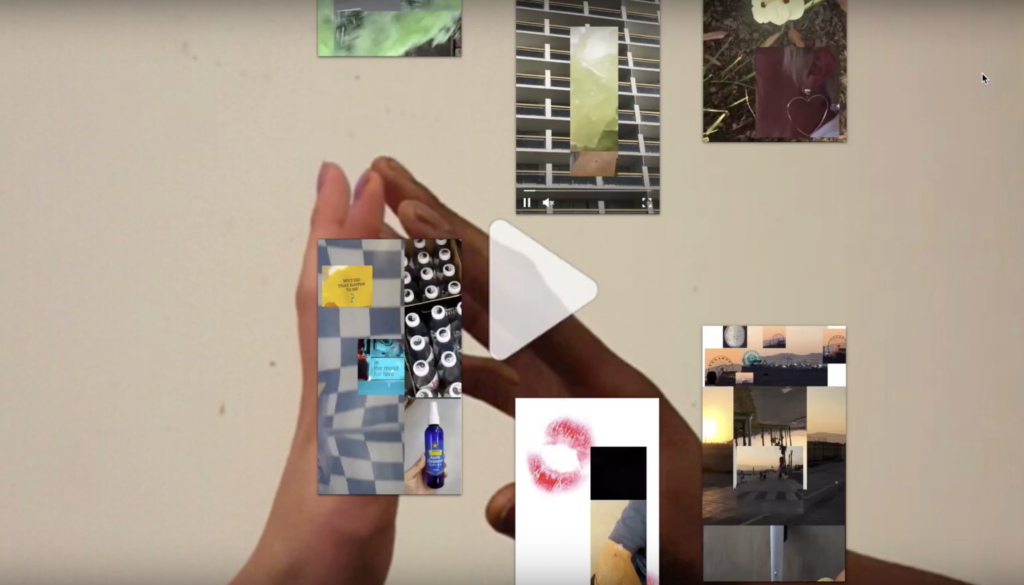
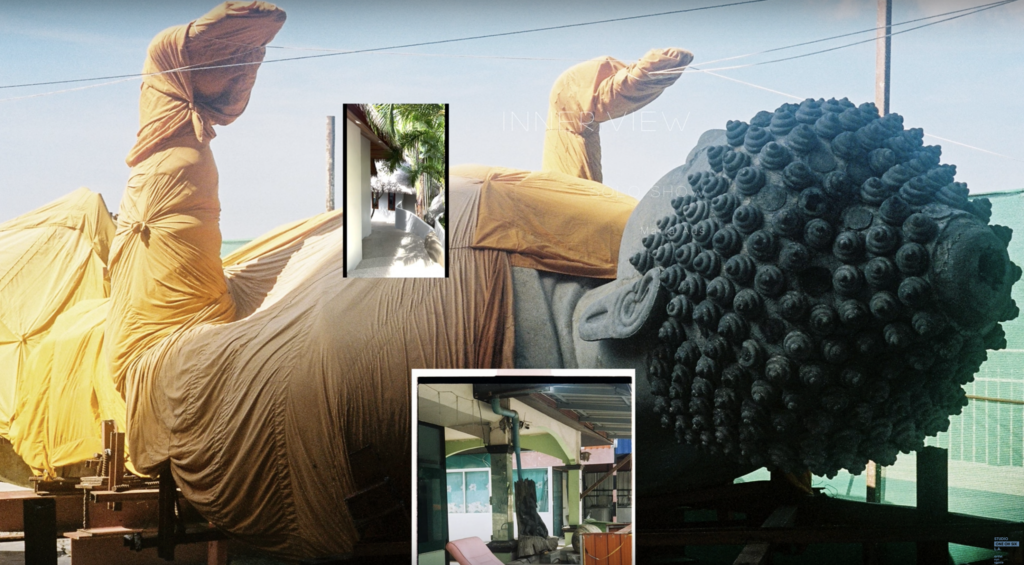
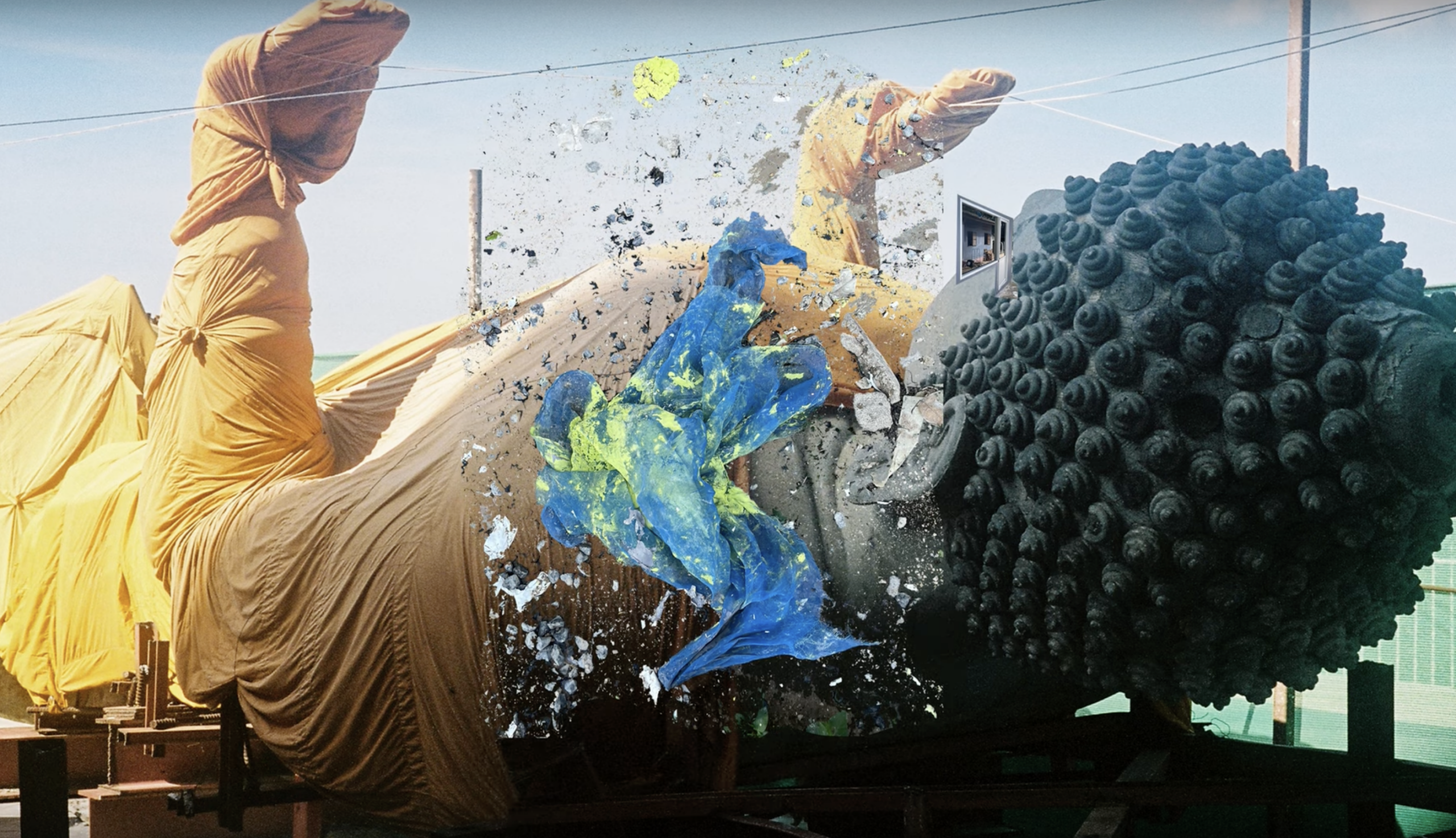
The project Inner.View used photography to explore and express the intricate connections between personal experiences and universal truths, focusing on the interplay of polarities and the transformative processes that shape our lives and the world around us. By engaging with the piece, viewers are invited to ponder the cyclical nature of time and transformation.
Sensing OtherWiseby Sarah Drapeau
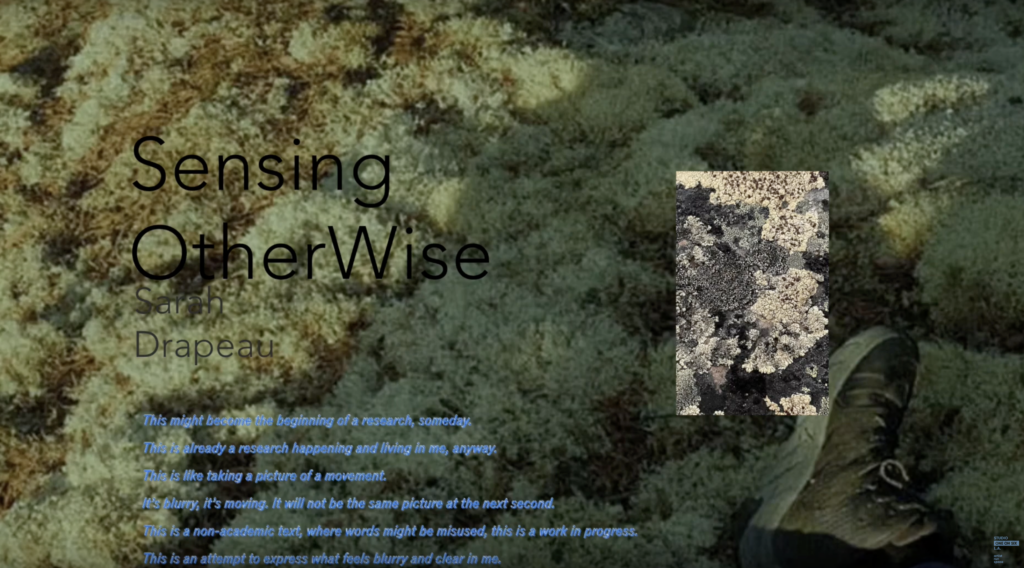
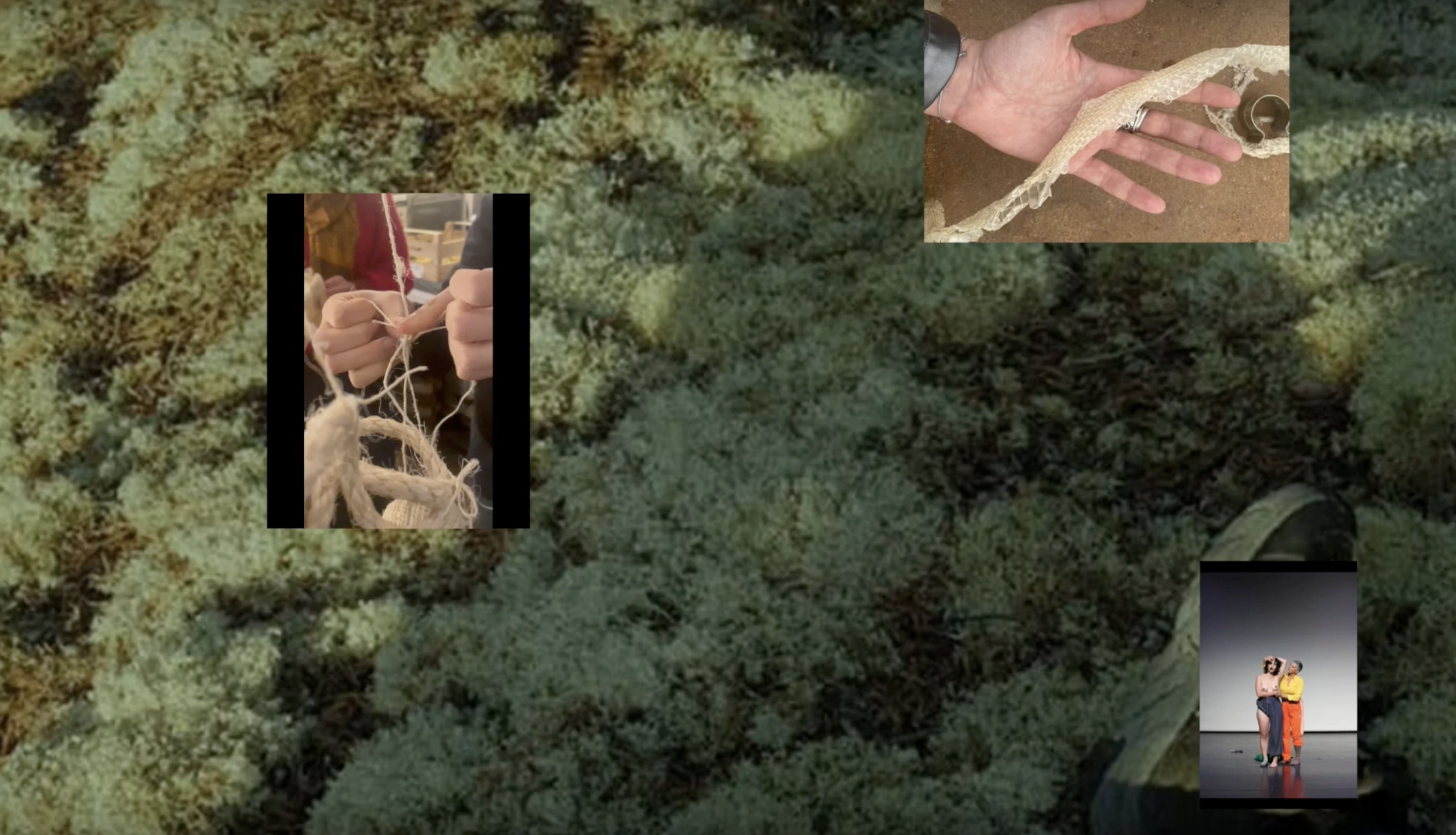
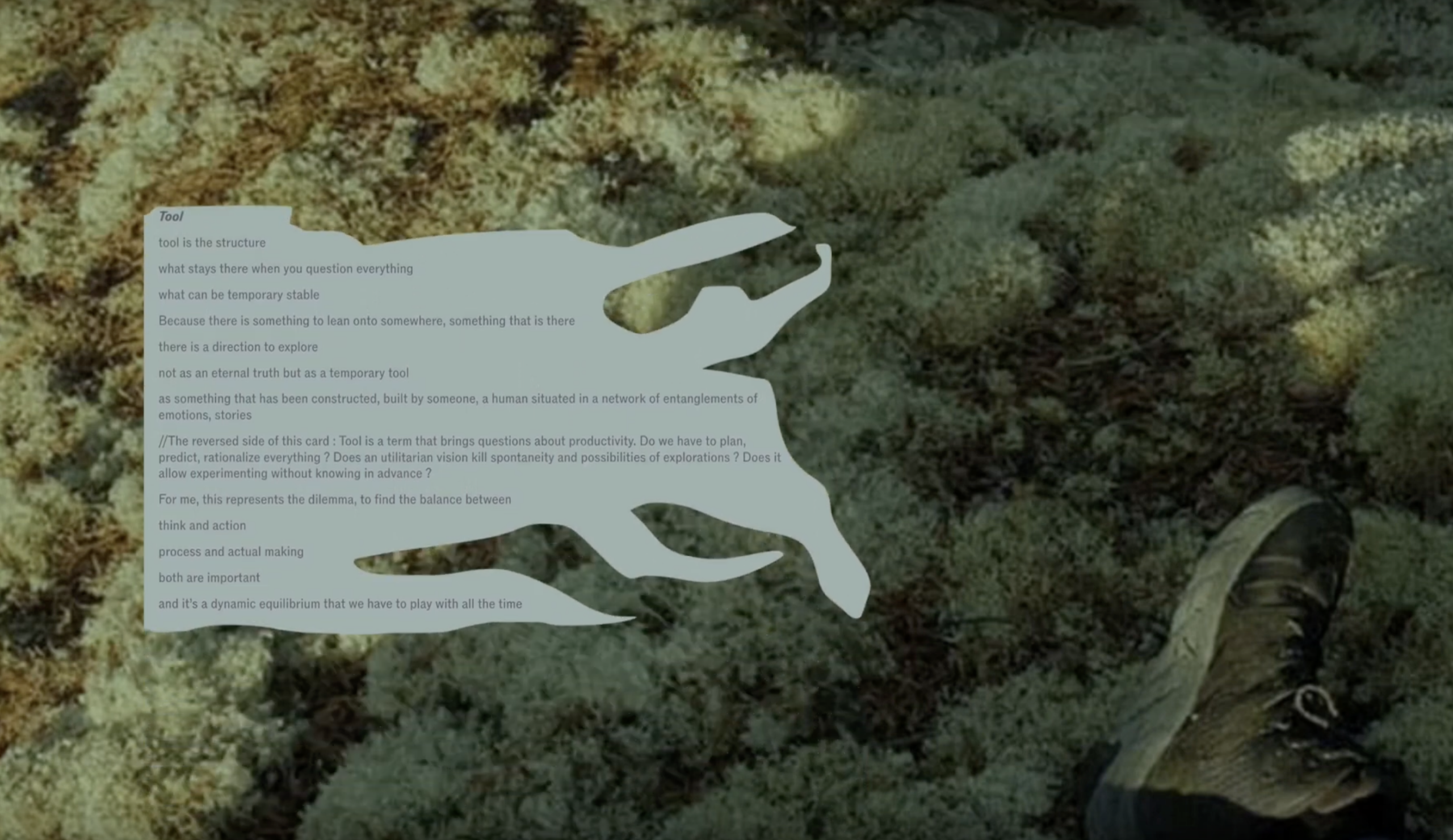
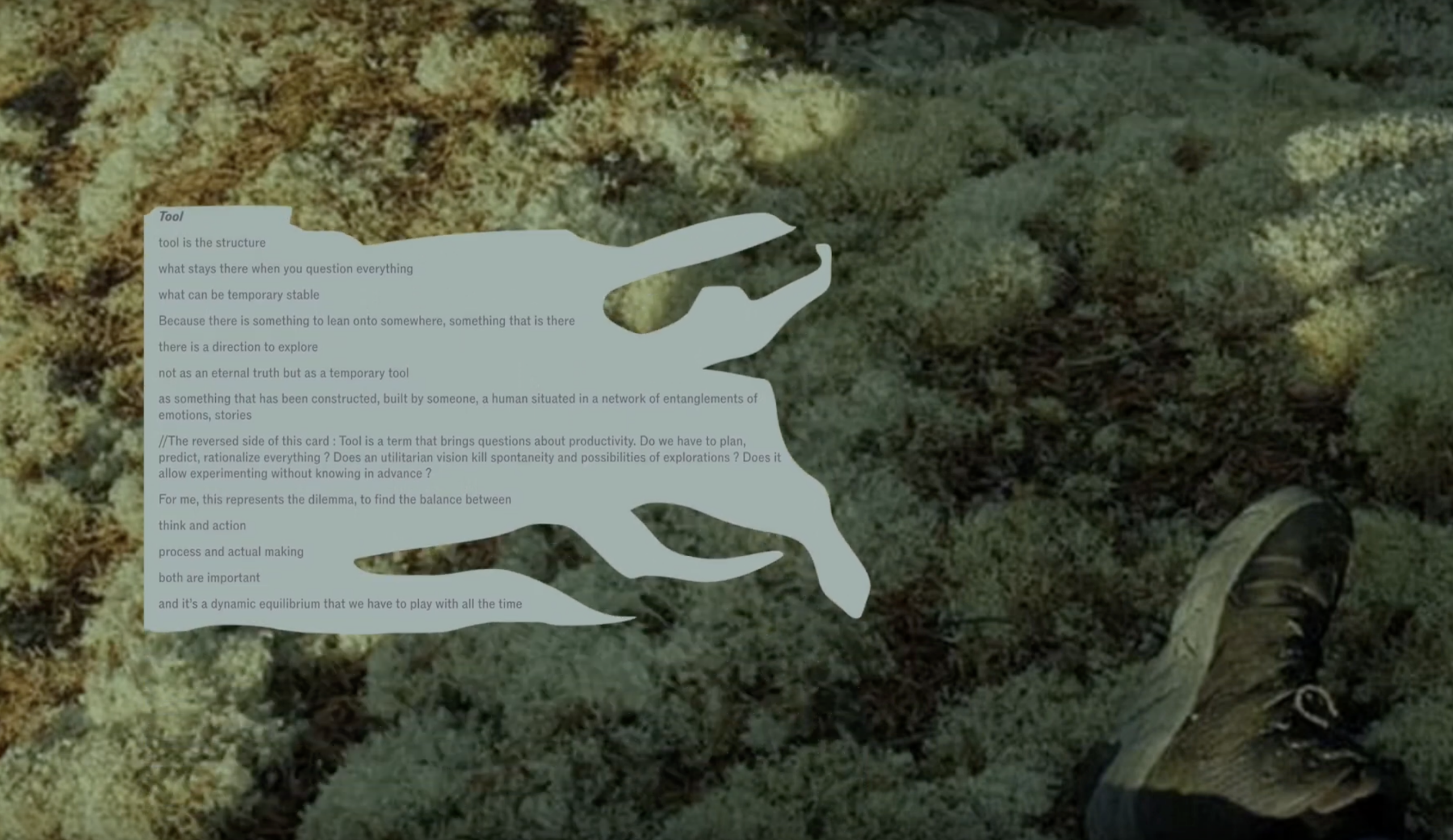
In Sensing OtherWise, the digital space becomes an ideal setting for the interplay that reflects fragmented yet interconnected gestures: marks that echo both the tools of nature and those we invent, vivid fields of environmental color alongside tonal gradations that foreground the human hand. Free from physical constraints, still images shift and reorient, while moving images breathe life into the notion of process and transformation. The result invites slower, more contemplative encounters. These subtle transparencies hint at a scaffolding of structure, while also evoking the ephemeral qualities of memory, experience, and continuous learning—learning that is internal yet always entangled with surrounding elements, actors, and influences.
1.4 Between Degradation and Hope
BeoAir
Carried by the receding tide
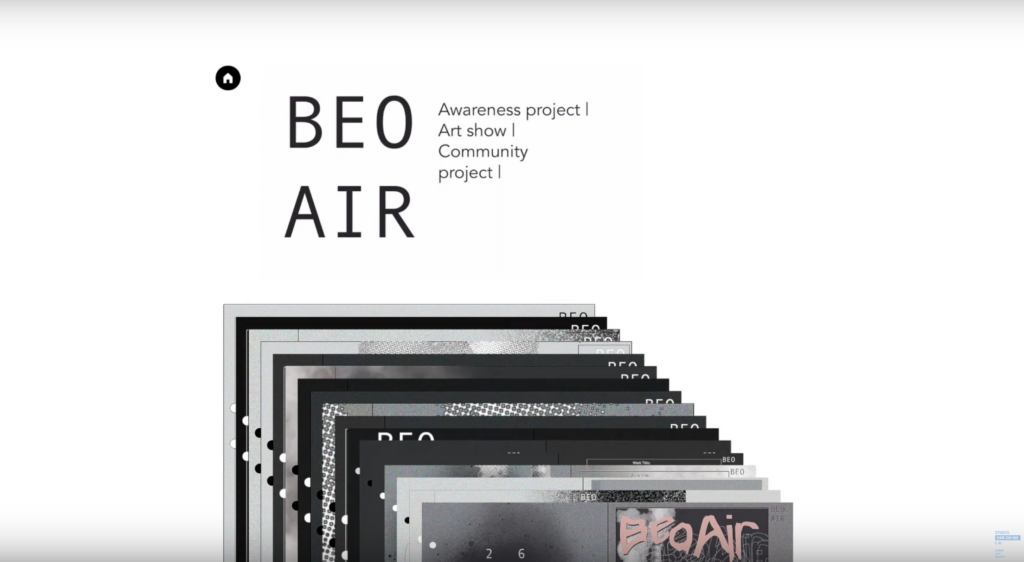
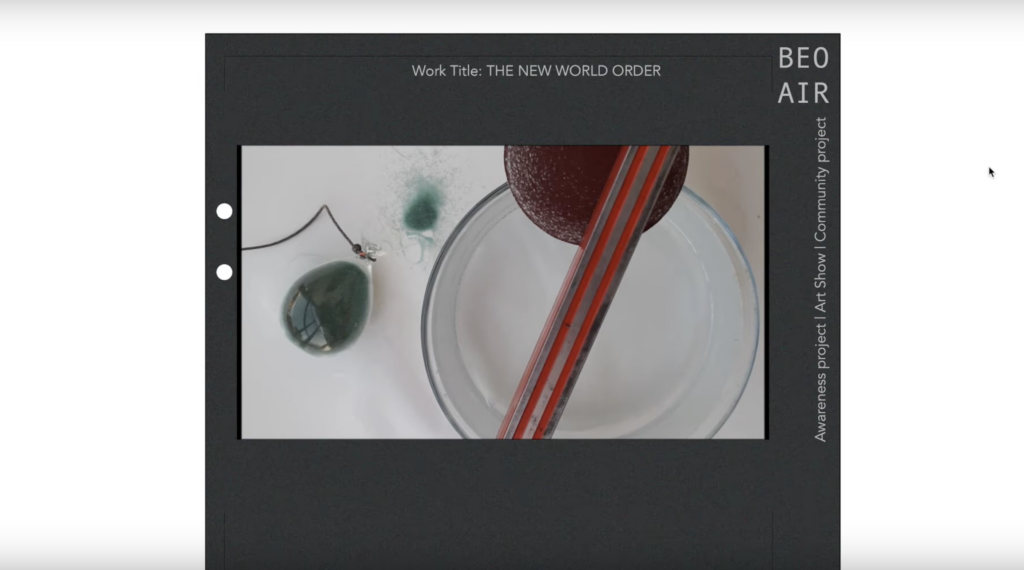
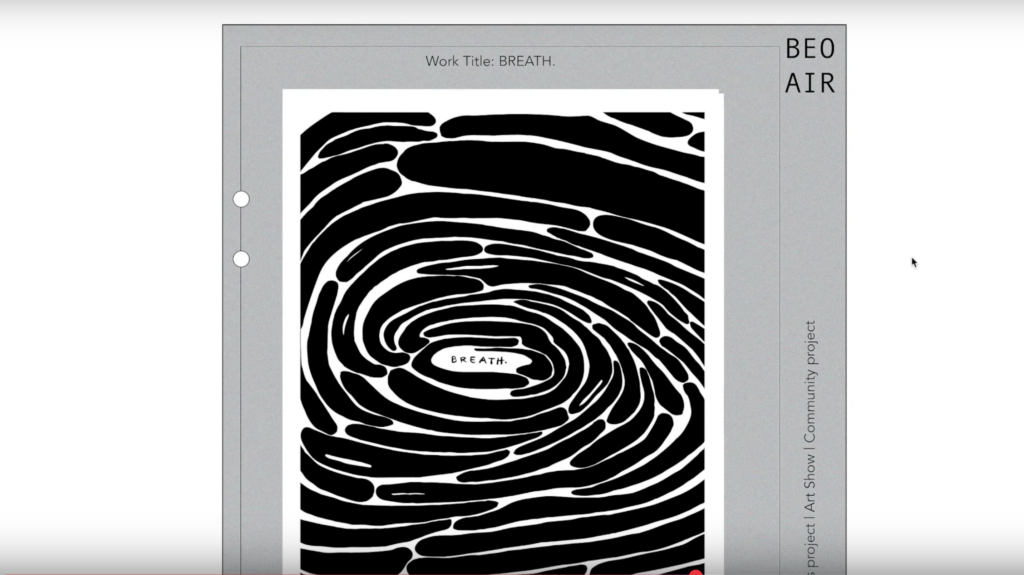
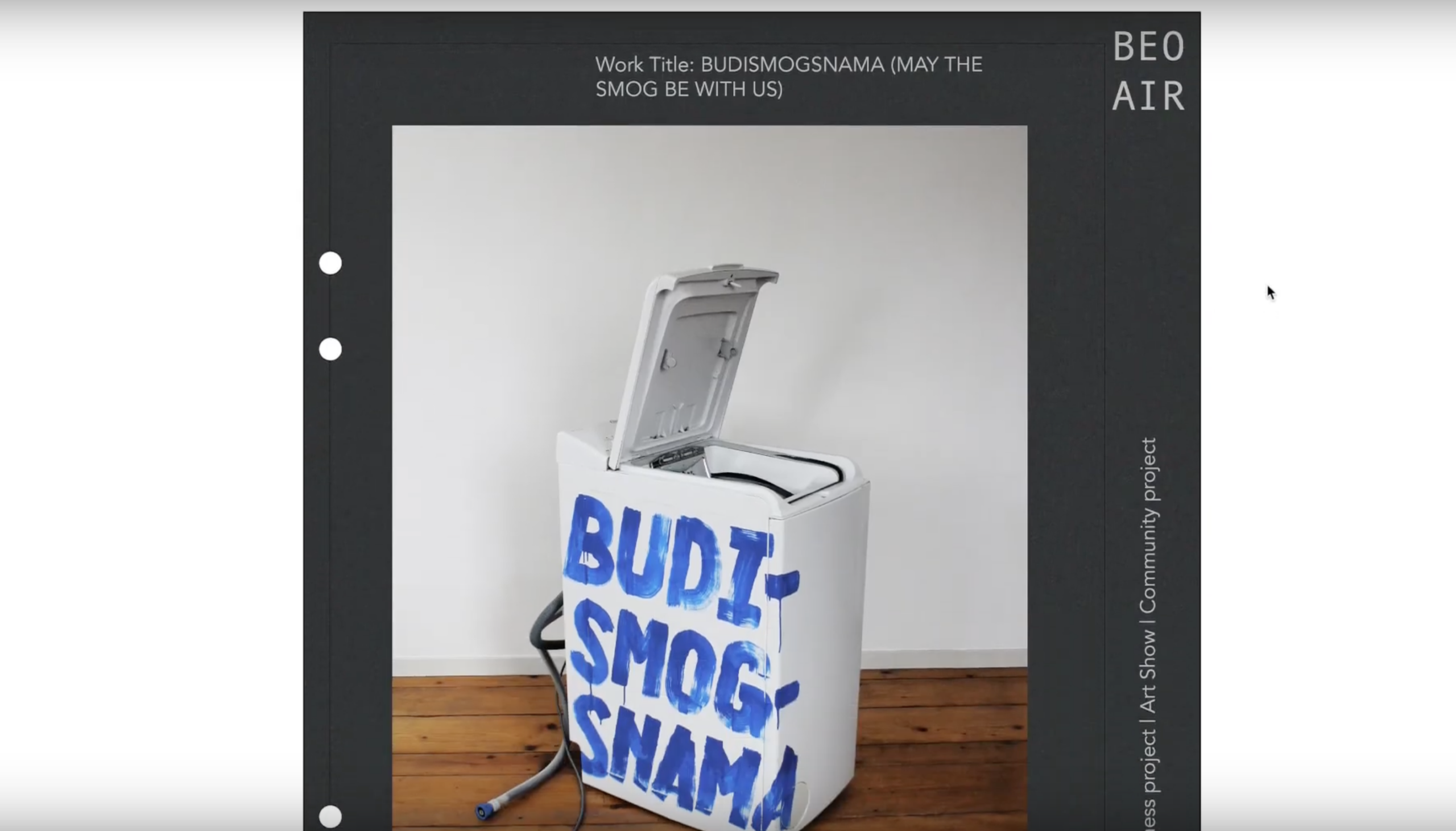
BeoAir addressed the critical condition of air pollution in Serbia, where PM2.5 and PM10 levels regularly exceed EU and WHO health standards. The exhibition co-organized with ArtSci Research Center at UCLA brought together artists and scientists to create a shared space for public engagement, where aesthetic expression and empirical knowledge could intersect. The concurrent panel deepened this inquiry, emphasizing the role of interdisciplinary dialogue in shaping ecological awareness, with ultimate focus to bring in action—the show raised funds to plant trees in Serbia.
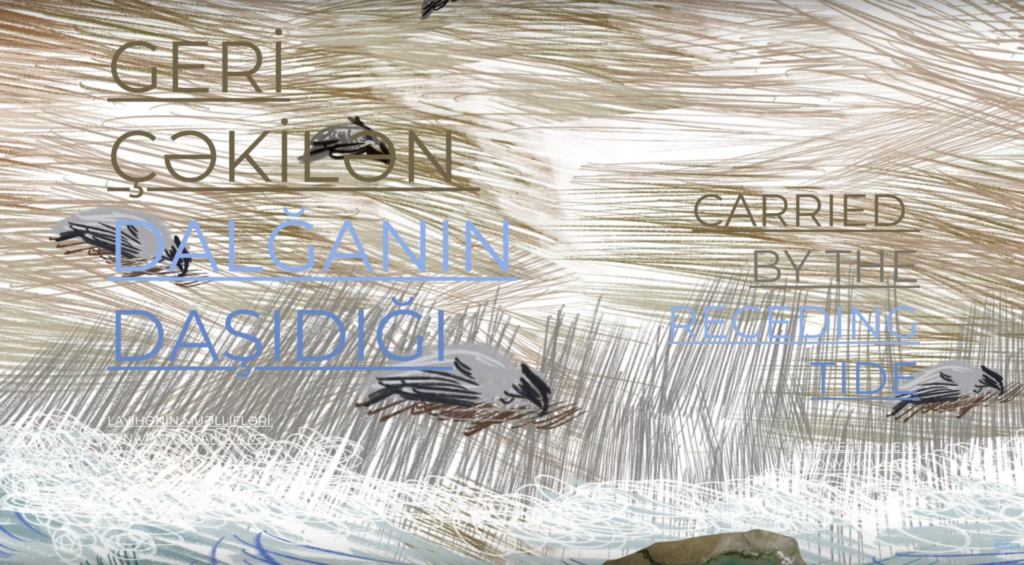
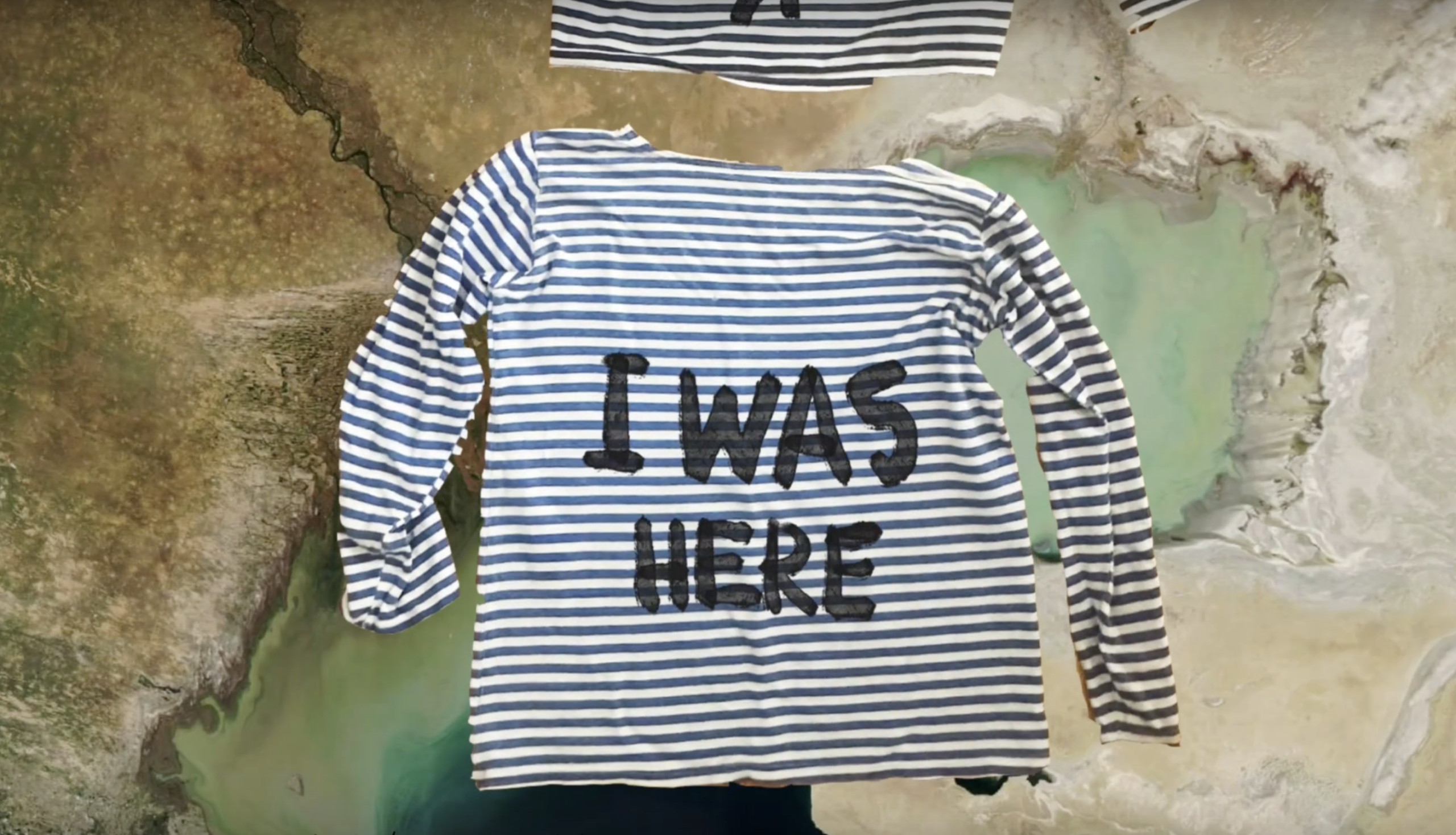
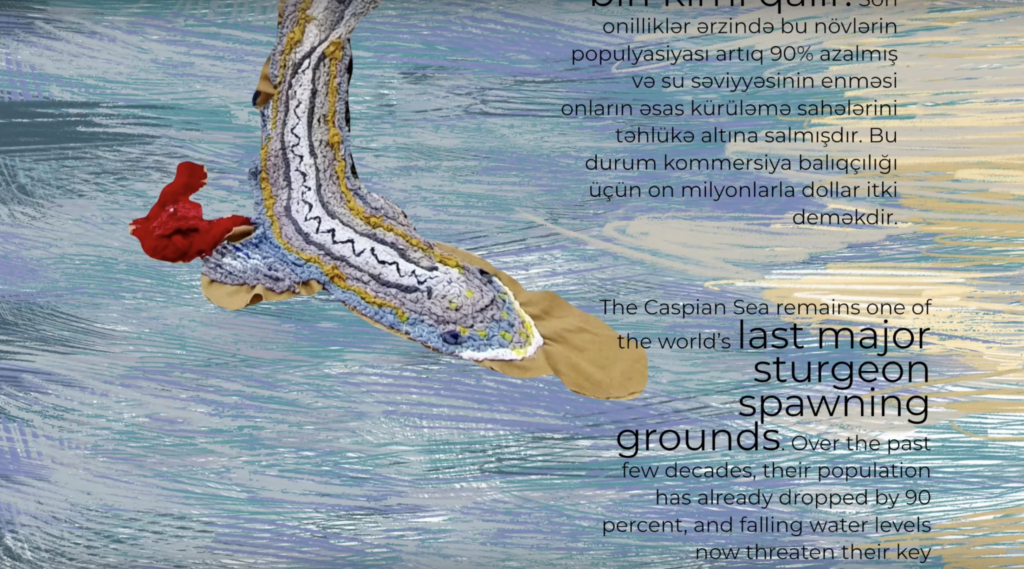
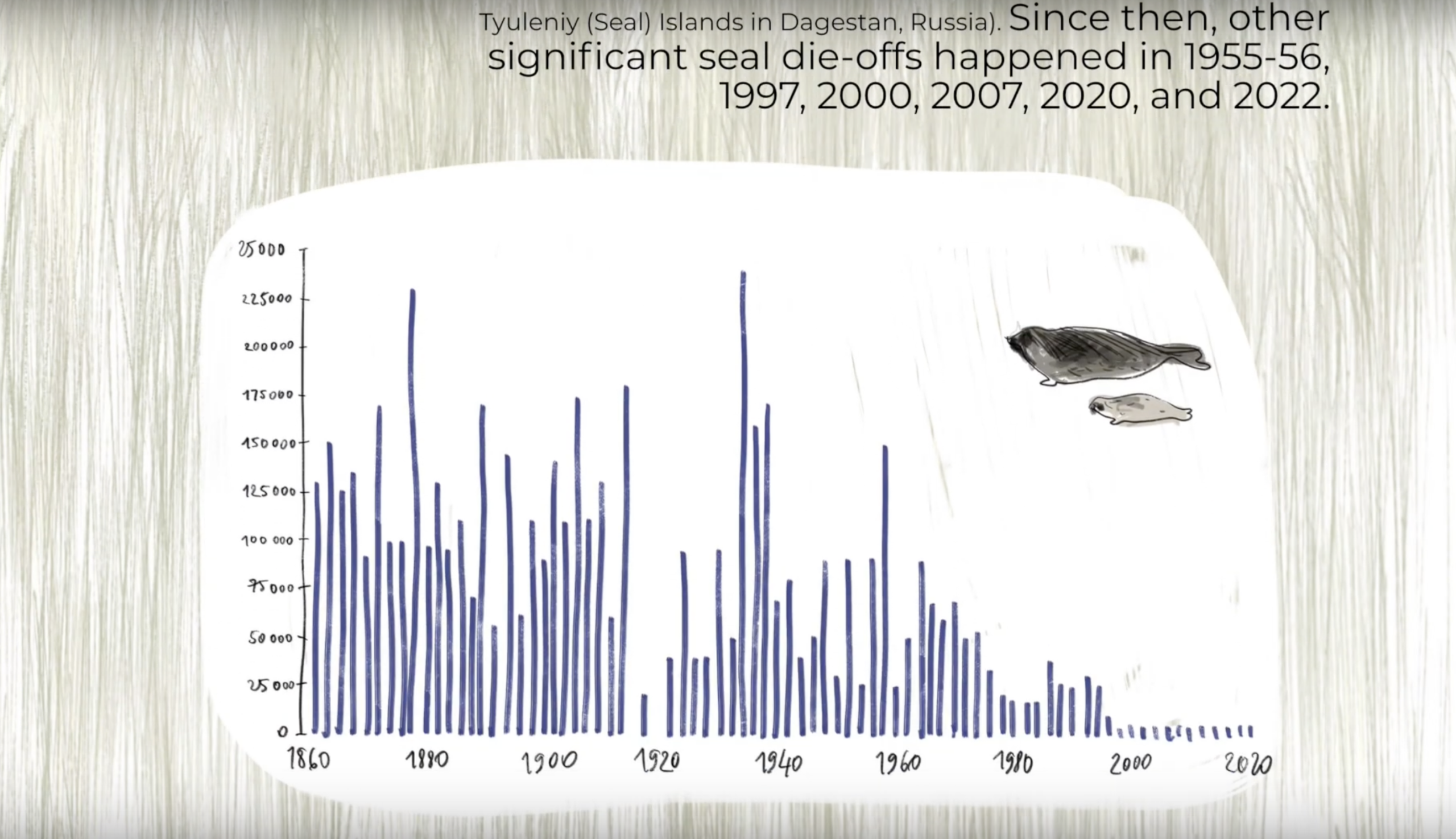
Carried by the Receding Tide centered on the fragile biodiversity of the Caspian Sea, exploring the ecological and geopolitical tensions surrounding this endangered ecosystem. Through a deliberately naïve visual language, the exhibition rendered complex environmental themes accessible to a broader audience—particularly younger viewers—without diluting the urgency of its message. Positioned at the intersection of aesthetics, science communication and advocacy, the project intends to bring reflection on interspecies co-dependence and the precarity of non-human life in the Anthropocene.
To tie the loose ends
In her research, Amanda Wasielewski (The Museum in Quarantine: Architecture, Experience and the Virtual Museum) examines the historical lineage, ideological underpinnings, and experiential implications of virtual museum tours, particularly those standardized by Google Arts & Culture. In her view, those tours—composed of stitched 360-degree photographic panoramas—are not recent inventions but rather extensions of nineteenth-century panoramic visualization and mid-1990s digital experiments. Their familiarity, derived from their kinship with Google Street View, has facilitated their rapid uptake by museums seeking frictionless audience engagement during the COVID-19 pandemic.
The sudden surge in popular interest, reflected in spikes of online searches and a proliferation of media coverage, was frequently framed in triumphalist terms by digital art history practitioners, who positioned the crisis as an unprecedented opportunity for the sector. Yet, this celebratory rhetoric often overlooked deeper critiques: the problematic entanglements of corporate platforms in cultural heritage, the implications of proprietary data collection, and the erosion of embodied, communal museum experiences. With this, Wasielewski returns in her detour to the traditions of institutional critique, underlining that while modern museums have historically styled themselves as neutral containers that liberate artworks from context, scholarship since the 1970s has revealed their ideological investments—often entangled with distinct power structures. Virtual tours can privilege architectural spectacle over curatorial narrative and that the digital mediation of collections risks replicating and even amplifying these dynamics. Far from democratizing access, she author contends, these virtual interfaces often estrange viewers—from temporal situatedness, from their own embodiment, and from any shared public.
While the digital turn in art and architecture during COVID-19 opened unprecedented forms of accessibility and engagement, it did not render institutions immune to longstanding structures of dominance. On the contrary, it introduced new pressures that are threatening the very notion of what art intended to be, and more so today, with the compulsion to compete within the attention economy, where art risks being reduced to content, and visibility becomes a currency.
Digital exhibitions cannot substitute the embodied, communal presence that physical spaces enable. Yet, for grassroots organization somewhere in Santa Monica—one virtual platforms during the pandemic provided not just refuge, but agency. At Studio106LA, we launched several online shows that helped crowdfund support for ecological and humanitarian causes, and we partnered with UCLA to host international conferences bringing together artists and researchers across borders.
Indeed, the transition to digital did not begin with the pandemic. Institutions like the Hollyhock House had already begun exploring immersive, virtual formats by 2019, expanding access to architectural heritage.
Digital exhibitions cannot substitute the embodied, communal presence that physical spaces enable. Yet, for grassroots organization somewhere in Santa Monica—one virtual platforms during the pandemic provided not just refuge, but agency. At Studio106LA, we launched several online shows that helped crowdfund support for ecological and humanitarian causes, and we partnered with UCLA to host international conferences bringing together artists and researchers across borders.
Indeed, the transition to digital did not begin with the pandemic. Institutions like the Hollyhock House had already begun exploring immersive, virtual formats by 2019, expanding access to architectural heritage.
Explore the Virtual Accessibility Experience
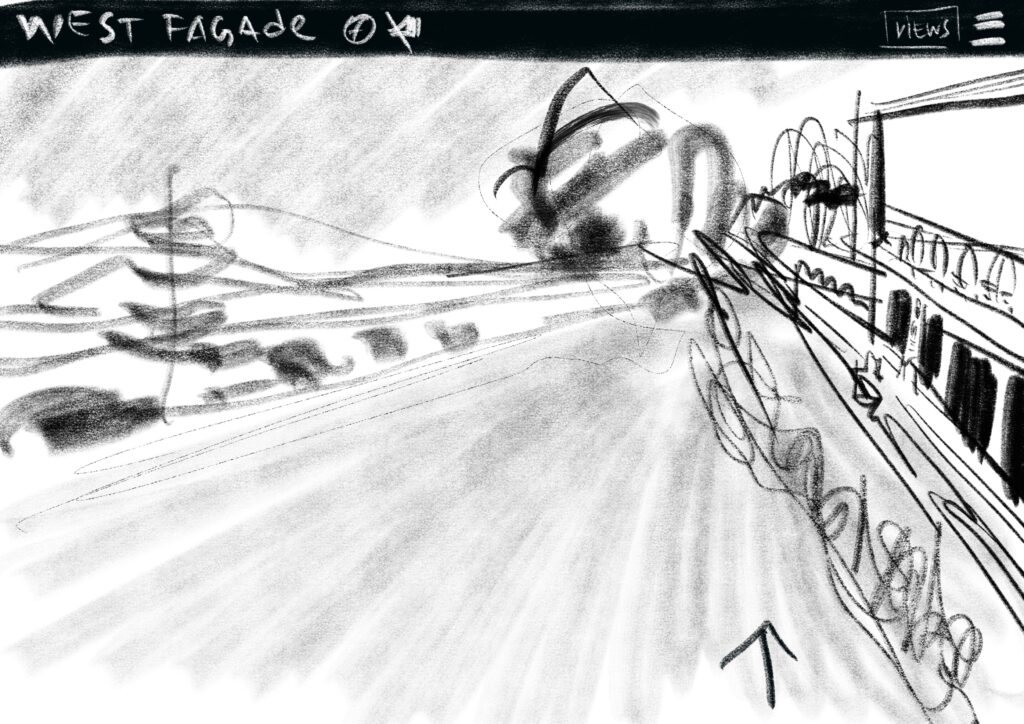
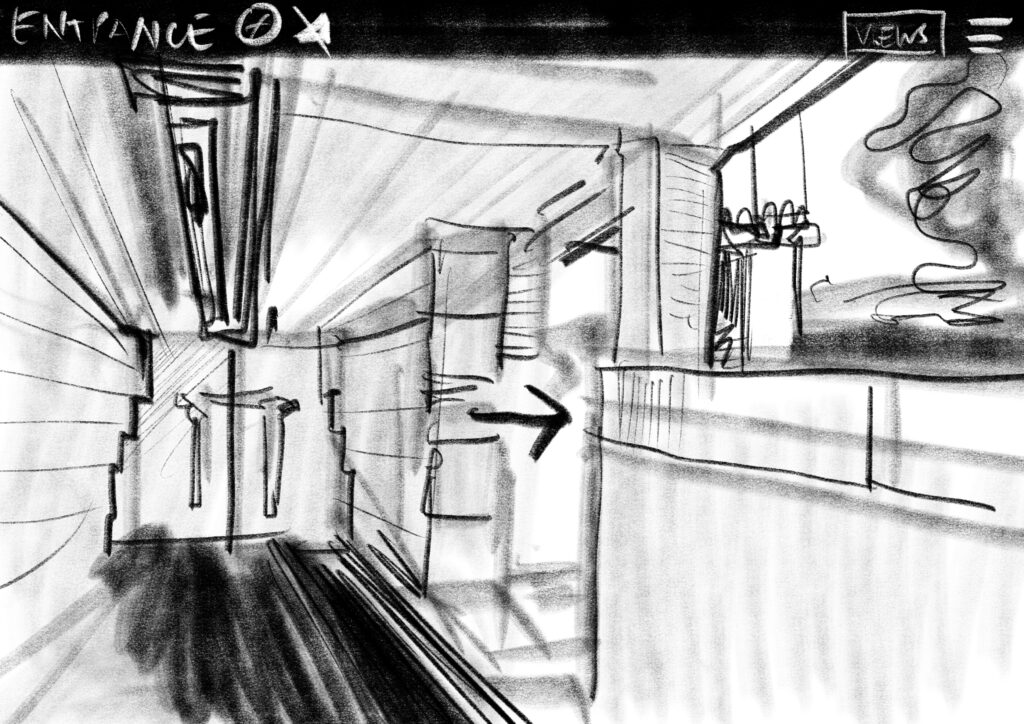
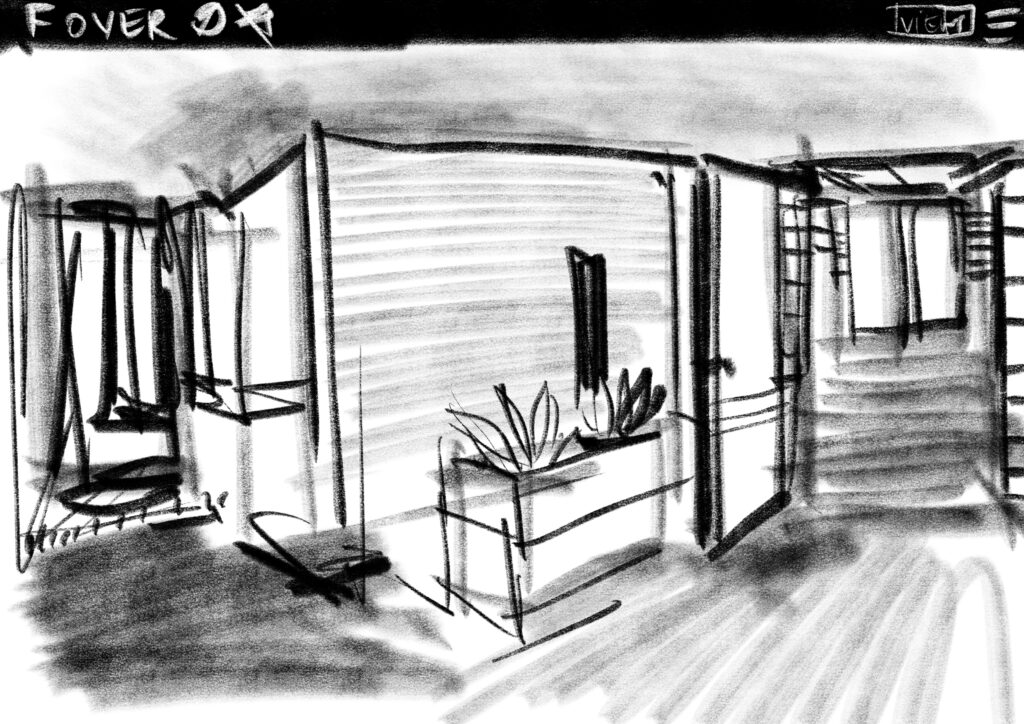
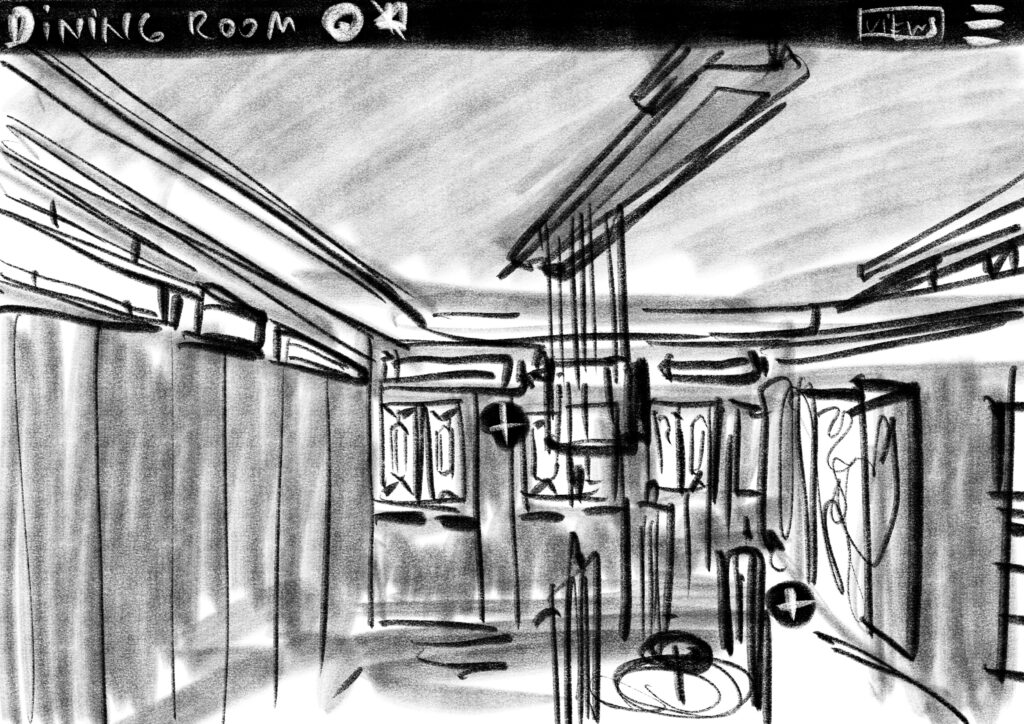
For those of us who never experienced such spaces in person before COVID and who now find ourselves thousands of kilometers away, these digital encounters offer more than sterile plans and sections. They allow us to glimpse the spirit of a place, however mediated. And while these modes of engagement can never fully replace the material presence of art and community, they remind us of the possibilities and limitations of digital space as a tool for connection, engagement with the world and (self)discovery.
Lena Pozdnyakova is a Berlin-based artist, curator and doctoral researcher at Freie Universität Berlin. She is an alumna of the Design Theory and Pedagogy program at the Southern California Institute of Architecture in Los Angeles. She holds a Bachelor’s degree in architecture from Sheffield University and a Master’s degree in architecture from DIA University of Applied Sciences. Her research project focuses on socially-oriented art, with a particular interest in artistic practices that manifest through various forms of organizing, services and affective labor. As an artist, Lena has exhibited works at Los Angeles Municipal Art Gallery as well as the Ars Electronica, Bauhausfest, Unsound, and CTM festivals. In 2014, she received the Robert Oxman Prize, and in 2016 as part of the2vvo duo, the Independent Projects Award by CEC Artslink. In 2024 she presented her work at the 60th Venice Art Biennial as part of the Kazakhstan Pavilion.